Begin typing to search, when autocomplete results are available use up and down arrows to review and enter to select. Selecting an options will take you to a new page. Touch device users, explore by touch.SEARCH

Search within a riding style, select an optionBegin typing to search, when autocomplete results are available use up and down arrows to review and enter to select. Selecting an options will take you to a new page. Touch device users, explore by touch.
Free shipping on orders over $79 to Illinois
Orders over $79.00 will receive free shipping. This is a residential delivery service, deliveries Monday through Friday from 9:00am to 8:00pm.
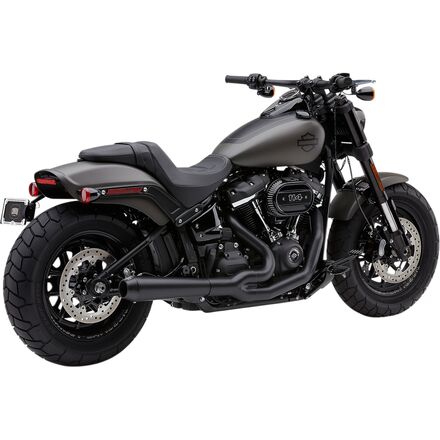
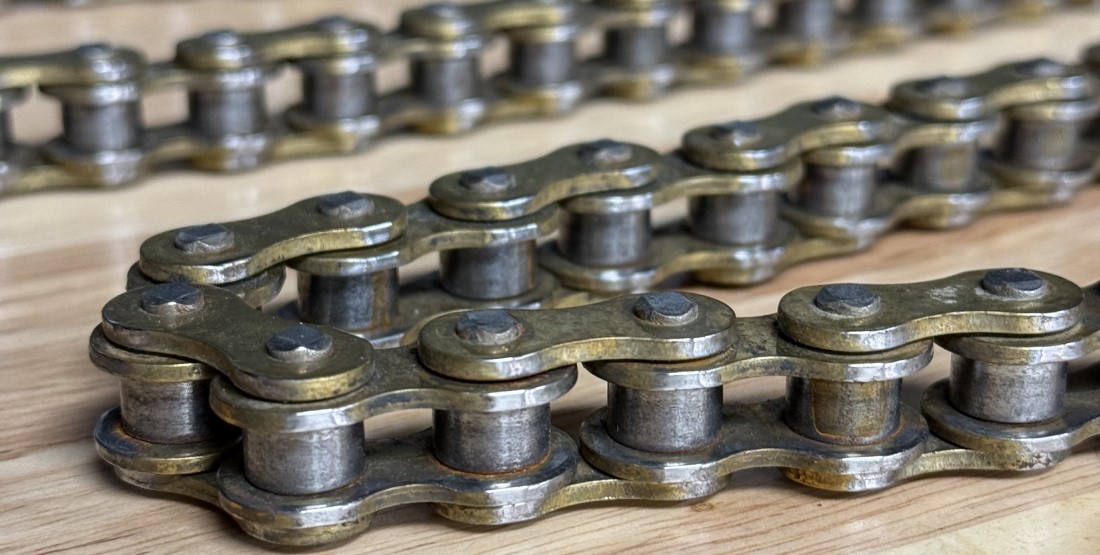
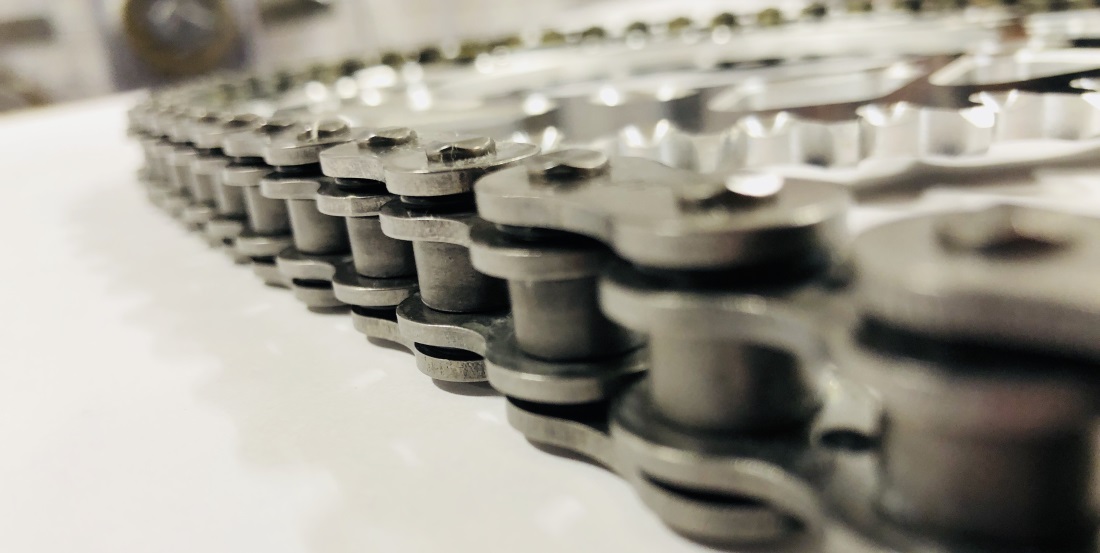
For cruisers, a 530 O‑ring chain with a corrosion‑resistant finish is the recommended starting point because O‑rings retain lubrication and reduce maintenance; X‑ring chains are an option if you prioritize long-distance durability and efficiency.
How do riding conditions change my chain and lubricant choices?
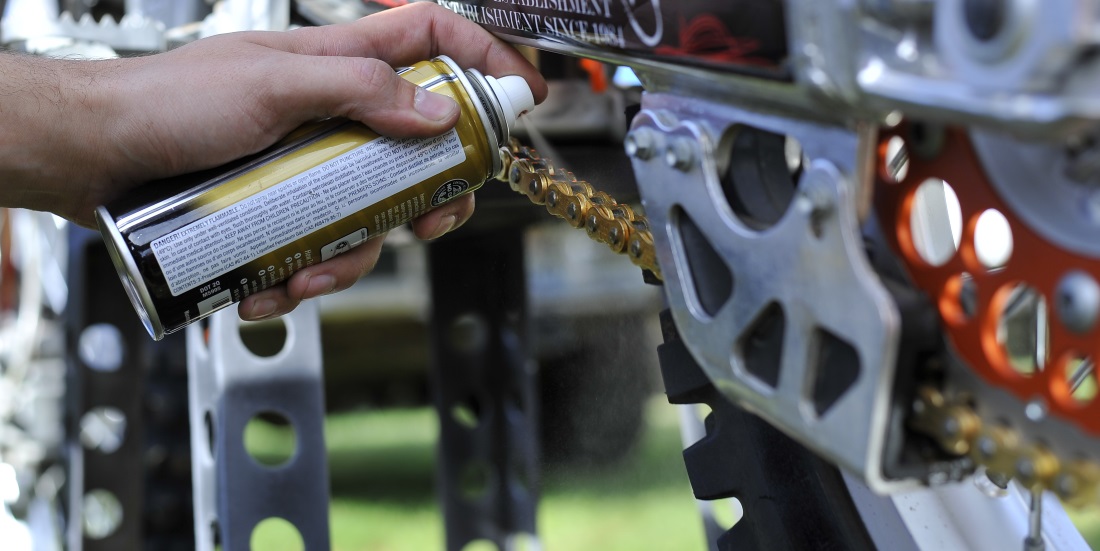
Sealed chains (O‑ring/X‑ring) perform best in wet conditions while water‑resistant lubricants help prevent corrosion; in dusty terrain choose a non‑sticky lubricant that won’t attract grit, and in extreme temperatures pick a formula that retains protective properties without gumming or thinning.
What should I inspect and maintain to extend a cruiser chain’s service life?
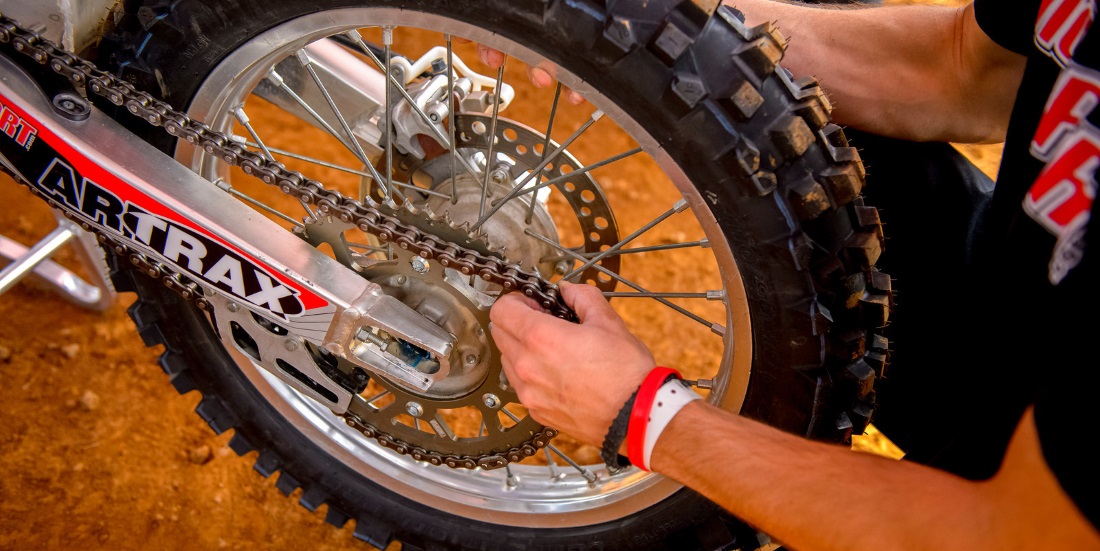
Regular visual checks for stiff links, corrosion, visible wear on sprockets, and proper alignment are key, plus cleaning and re‑lubricating after wet or dusty rides to prevent accelerated wear.
Do I need to replace sprockets when I install a new chain?
Yes — replacing worn sprockets with a new chain ensures proper engagement and maximizes chain life, so verify sprocket condition and match the sprockets’ compatibility and finish to the chain you choose.
How do power upgrades or common mods affect chain selection and installation priorities?
If modifications increase torque or load, choose a chain with higher tensile strength and durable materials, use a robust master link type suited to your service needs, and focus on correct alignment and clearance during installation to prevent premature wear.