Begin typing to search, when autocomplete results are available use up and down arrows to review and enter to select. Selecting an options will take you to a new page. Touch device users, explore by touch.SEARCH
Search within a riding style, select an optionBegin typing to search, when autocomplete results are available use up and down arrows to review and enter to select. Selecting an options will take you to a new page. Touch device users, explore by touch.
Free shipping on orders over $79 to Illinois
Orders over $79.00 will receive free shipping. This is a residential delivery service, deliveries Monday through Friday from 9:00am to 8:00pm.
Which cruiser brake setup works best for city commuting vs long highway tours?
City riding favors fixed stainless rotors with organic pads for low maintenance and quiet bite; highway/touring benefits from floating rotors with sintered pads to resist heat and wet conditions while carrying extra load. Ensure the components are ABS-friendly for consistent modulation.
Fixed vs floating rotors—what’s right for my cruiser?
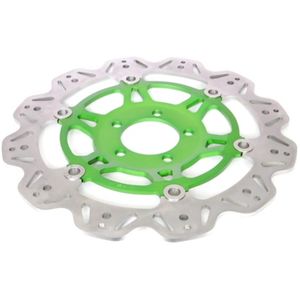
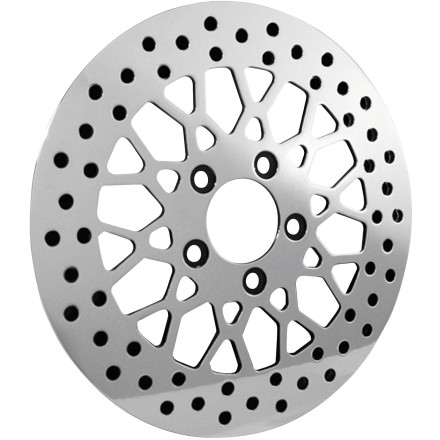
Fixed discs are simple, low‑maintenance, and ideal for relaxed urban use; floating discs dissipate heat better and reduce warp risk during repeated high‑speed stops or long downhill runs.
Which brake pad compound should cruiser riders choose?
Organic pads deliver quiet, smooth control for everyday rides; sintered pads offer longer life and strong performance in rain or with passenger/cargo; ceramic provides high‑temp stability for a premium feel.
How do ABS and calipers factor into cruiser brake upgrades?
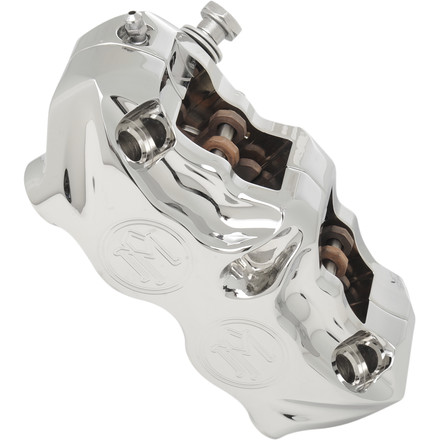
Pair ABS‑friendly pads/rotors for smooth modulation and look for road‑legal approvals like ECE R90. Match caliper mounting style and piston layout to your system, and consider larger‑diameter rotors for added leverage and cooling on long rides.
What installation and maintenance tips apply to cruiser brake parts?
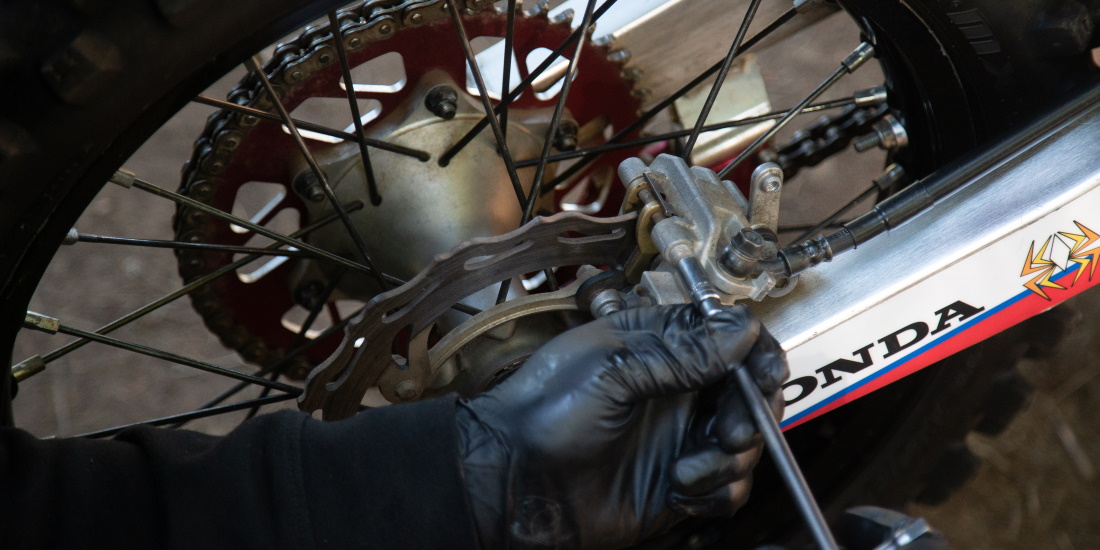
Most pads and rotors are straightforward bolt‑ons—align the caliper, secure fasteners to spec, refresh brake fluid, and bed‑in the pads. Stainless rotors and fixed discs minimize upkeep, while floating rotors benefit from periodic button cleaning to stay quiet and free‑moving.