Begin typing to search, when autocomplete results are available use up and down arrows to review and enter to select. Selecting an options will take you to a new page. Touch device users, explore by touch.SEARCH
Search within a riding style, select an optionBegin typing to search, when autocomplete results are available use up and down arrows to review and enter to select. Selecting an options will take you to a new page. Touch device users, explore by touch.
Free shipping on orders over $79 to Illinois
Orders over $79.00 will receive free shipping. This is a residential delivery service, deliveries Monday through Friday from 9:00am to 8:00pm.
What airbag system type is best for cruiser riders?
For cruisers, tethered mechanical vests are often the best match because they suit upright seating and low-mounted frames while offering reliable, repairable protection for chest and back; consider an EN1621-4 Level 2 certified option for maximum road protection.
How do trigger mechanisms affect deployment and usability on a cruiser?
Mechanical tethers offer simple, maintenance-light deployment when attached to the bike, while electronic sensor systems work without a tether and add automatic detection at the cost of a battery to maintain; choose based on how you ride and whether you need a tether-free setup.
What protection coverage and certification should I prioritize for road use?
Prioritize full chest and back coverage with EN1621-4 Level 2 certification where possible, and review independent impact data or CRITT reports to understand real-world peak-force performance and bladder vs. hard protector behavior.
How easy are cruiser airbag vests to install and integrate with riding gear?
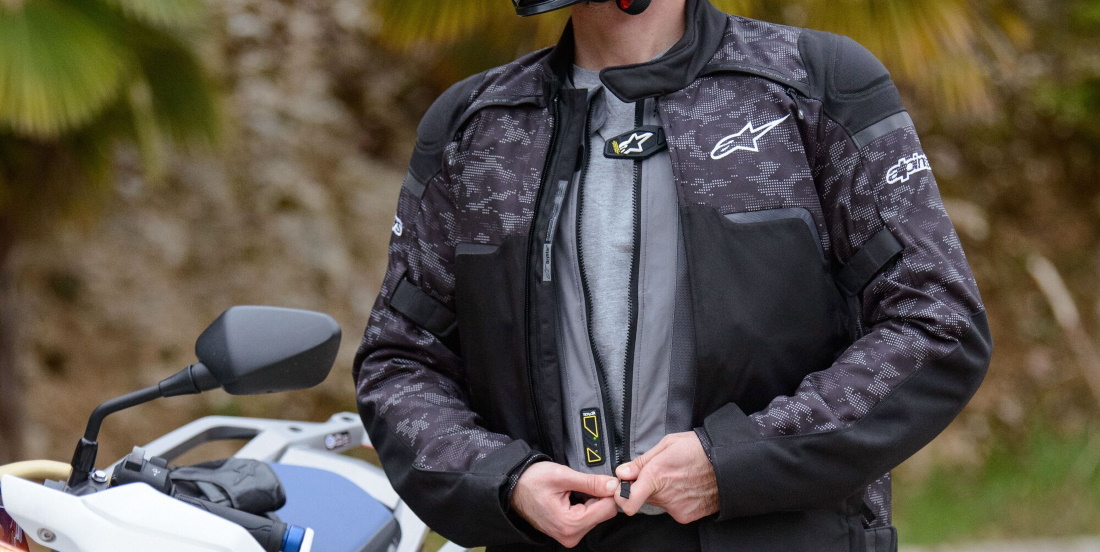
Most vests layer over jackets or shirts and use a simple anchor or wireless setup, so focus on getting a secure attachment point and comfortable alignment rather than complex fitting steps; check that the vest’s design allows normal reach and movement.
What maintenance and durability checks keep an airbag system reliable for cruising?
Regularly inspect seams, closure points, and tether/connectors for wear, follow manufacturer service or repair options for bladders and modules, and keep electronic units charged and firmware updated to ensure proper deployment and long-term durability.