Begin typing to search, when autocomplete results are available use up and down arrows to review and enter to select. Selecting an options will take you to a new page. Touch device users, explore by touch.SEARCH
Search within a riding style, select an optionBegin typing to search, when autocomplete results are available use up and down arrows to review and enter to select. Selecting an options will take you to a new page. Touch device users, explore by touch.
Free shipping on orders over $79 to Illinois
Orders over $79.00 will receive free shipping. This is a residential delivery service, deliveries Monday through Friday from 9:00am to 8:00pm.
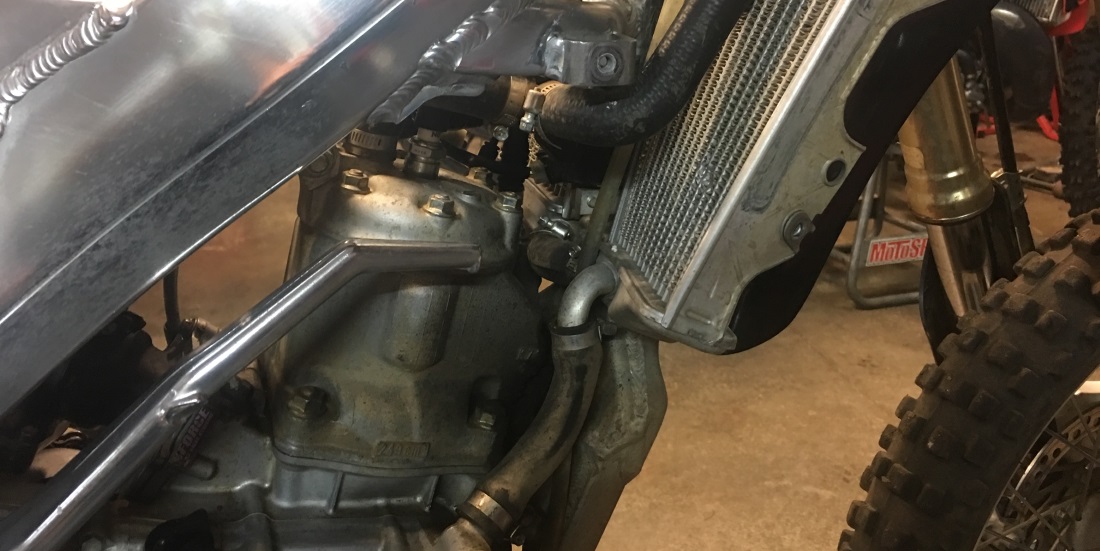
Coolant is only for liquid‑cooled engines; many dirt, cruiser, and street models are air‑cooled and don’t use it. Check your manual before buying.
How do I choose between propylene glycol, ethylene glycol, and OAT coolants?
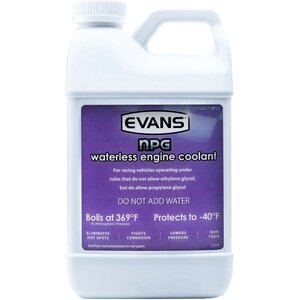
Propylene glycol is lower‑toxicity, seal‑/plastic‑friendly, and ideal for powersports; OAT (silicate‑/phosphate‑free) delivers long‑life corrosion protection for modern aluminum engines. Use ethylene glycol only when it’s motorcycle‑specific and silicate‑free.
Why should I pick a silicate‑free and phosphate‑free formula?
It protects aluminum radiators and mixed‑metal systems from sludge, reduces water‑pump wear, and keeps narrow passages from clogging—best for most modern bikes.
Can I mix coolant types or top off with automotive coolant?
Don’t mix types (e.g., OAT with traditional) and avoid car‑grade ethylene glycol with silicates—performance and protection will suffer. Flush the system and refill with a single, motorcycle‑labeled formula.
What coolant works best for my riding conditions and climate?
For off‑road and high‑heat loads, propylene glycol formulas manage heat well and are gentle on seals; for street stop‑and‑go, OAT coolants stabilize temps and resist corrosion. In freezing climates, use a pre‑mixed coolant or a propylene glycol blend for reliable boil/freeze protection.