Begin typing to search, when autocomplete results are available use up and down arrows to review and enter to select. Selecting an options will take you to a new page. Touch device users, explore by touch.SEARCH
Search within a riding style, select an optionBegin typing to search, when autocomplete results are available use up and down arrows to review and enter to select. Selecting an options will take you to a new page. Touch device users, explore by touch.
Free shipping on orders over $79 to Illinois
Orders over $79.00 will receive free shipping. This is a residential delivery service, deliveries Monday through Friday from 9:00am to 8:00pm.
How do I choose ATV tire tools for tube-type vs. tubeless tires?
For tubes, use tire irons, rim protectors, bead lube, and patch/valve tools sized to your valve stems (8mm or 10mm). For tubeless, add a bead breaker, valve core tool, and plug kit; match tools to your rim diameter and tire width/aspect ratio for safe mounting and removal.
Which tire irons and bead breakers work best for mud, rock, or sand riding?
Heavy-duty levers and robust bead breakers handle stiff carcasses and aggressive tread; compact spoons and portable breakers are ideal trail-side. Corrosion-resistant finishes and grippy handles improve control in wet or gritty conditions.
Do wider tires or beadlock wheels change the tools I should use on my ATV?
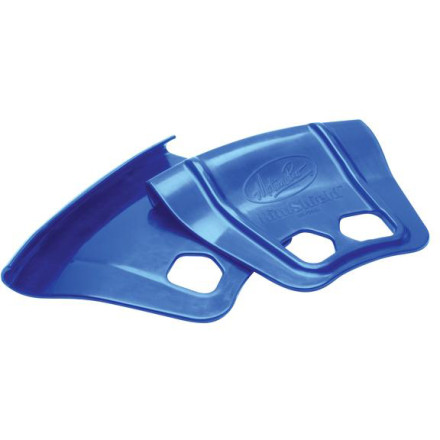
Choose slim-profile irons, strong bead breakers, and wide rim protectors to clear bulky sidewalls and bead seats; verify tool geometry against your rim diameter and tire profile. Staying close to manufacturer-recommended tire sizes helps avoid clearance issues.
What valve and inflation tools are essential for ATV tire maintenance?
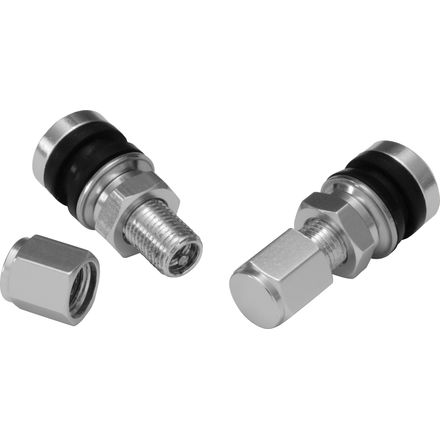
A valve core remover, stem puller matched to 8mm or 10mm stems, accurate gauge, and inflator/portable pump cover routine service. Add plug/sealant kits for tubeless or patches for tubes to keep you moving across changing terrain and weather.
How do I avoid rim or tire damage during an ATV tire change?
Use bead lube, multiple irons with rim protectors, and small increments to avoid pinching tubes or scuffing rims. Inspect for deep cuts, worn tread, or aged rubber before reinstalling, then confirm direction, bead seating, and stable pressure after mounting.