Begin typing to search, when autocomplete results are available use up and down arrows to review and enter to select. Selecting an options will take you to a new page. Touch device users, explore by touch.SEARCH
Search within a riding style, select an optionBegin typing to search, when autocomplete results are available use up and down arrows to review and enter to select. Selecting an options will take you to a new page. Touch device users, explore by touch.
Free shipping on orders over $79 to Illinois
Orders over $79.00 will receive free shipping. This is a residential delivery service, deliveries Monday through Friday from 9:00am to 8:00pm.
What materials are textile ATV vests made from and how do they affect performance?
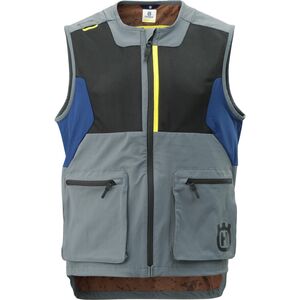
Most textile ATV vests use durable synthetics like nylon or polyester with mesh panels or high-denier overlays; choose mesh-heavy builds for maximum airflow and lighter weight, or higher-denier and coated fabrics for greater abrasion and water resistance.
Which ventilation and weather features should I look for in a textile ATV vest?
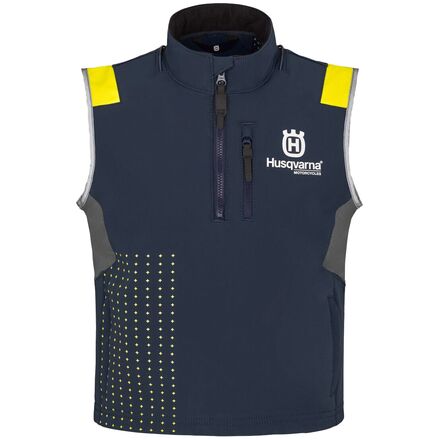
Look for mesh construction, zippered vents, and moisture-wicking liners for hot rides, plus water-resistant treatments or removable liners for variable conditions and light rain protection.
What protective features matter for ATV riding?
Prioritize vests with armor-ready pockets or CE-rated inserts, reinforced padding across chest, shoulders and back, abrasion-resistant panels, and reflective accents for low-light visibility.
How do I pick a textile vest for different ATV riding styles and terrain?
Choose vests with added storage and all-weather protection for utility/trail work, rugged tactical construction and reinforced impact zones for aggressive off-road use, and lightweight breathable designs with visibility features for casual riding.
How should I maintain a textile ATV vest and use it with other gear?
Follow fabric care instructions, avoid harsh detergents, inspect seams and armor regularly, and use adjustable straps to layer securely with chest protectors, hydration packs or tool pouches so armor panels stay correctly positioned.