Begin typing to search, when autocomplete results are available use up and down arrows to review and enter to select. Selecting an options will take you to a new page. Touch device users, explore by touch.SEARCH
Search within a riding style, select an optionBegin typing to search, when autocomplete results are available use up and down arrows to review and enter to select. Selecting an options will take you to a new page. Touch device users, explore by touch.
Free shipping on orders over $79 to Illinois
Orders over $79.00 will receive free shipping. This is a residential delivery service, deliveries Monday through Friday from 9:00am to 8:00pm.
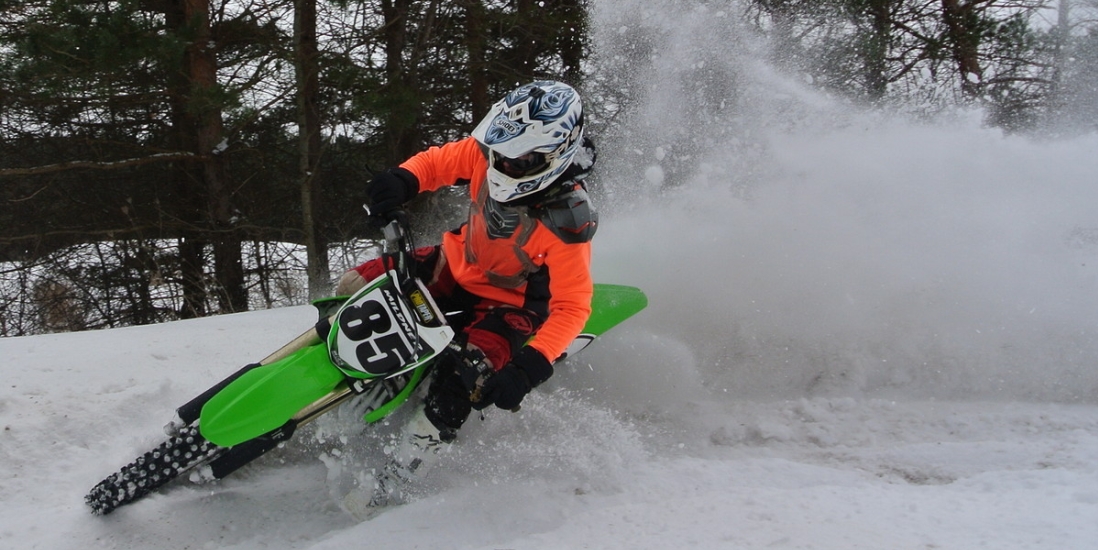
What’s different about snow bike gear versus typical ATV outerwear?
It’s lighter and more articulated for quick body movement, with weatherproof shells and built-in impact protection; bulkier ATV gear can restrict control during aggressive snow bike maneuvers.
Which safety certifications and protection should I prioritize for snow bike use?
Choose DOT/CE-rated helmets and jackets/pants with CE Level 1/2 armor at elbows, shoulders, knees, and back, plus abrasion-resistant shells to handle icy slides and hidden rocks.
What materials and features work best across deep powder, groomed trails, and icy sections?
Waterproof/breathable textiles with Cordura, Dyneema, or Kevlar reinforcements—or insulated leather—paired with sealed seams, adjustable ventilation, and thermal liners; add non-slip boots with strong ankle support and insulated gloves with good grip.
How should snow bike gear fit when layering for sub-freezing rides?
Go snug enough to prevent armor shift, yet cut to accommodate base and mid layers; use adjustable cuffs, waists, and straps to dial mobility without bulk.
How do I manage temperature swings and keep gear performing in wet snow?
Open vents or remove liners when working hard, consider heated options for deep cold, then air-dry after rides, refresh the DWR, clean zippers, and inspect armor and soles for wear.