Begin typing to search, when autocomplete results are available use up and down arrows to review and enter to select. Selecting an options will take you to a new page. Touch device users, explore by touch.SEARCH
Search within a riding style, select an optionBegin typing to search, when autocomplete results are available use up and down arrows to review and enter to select. Selecting an options will take you to a new page. Touch device users, explore by touch.
Free shipping on orders over $79 to Illinois
Orders over $79.00 will receive free shipping. This is a residential delivery service, deliveries Monday through Friday from 9:00am to 8:00pm.
What’s the best radiator hose material for ATVs and UTVs that see mud, heat, and vibration?
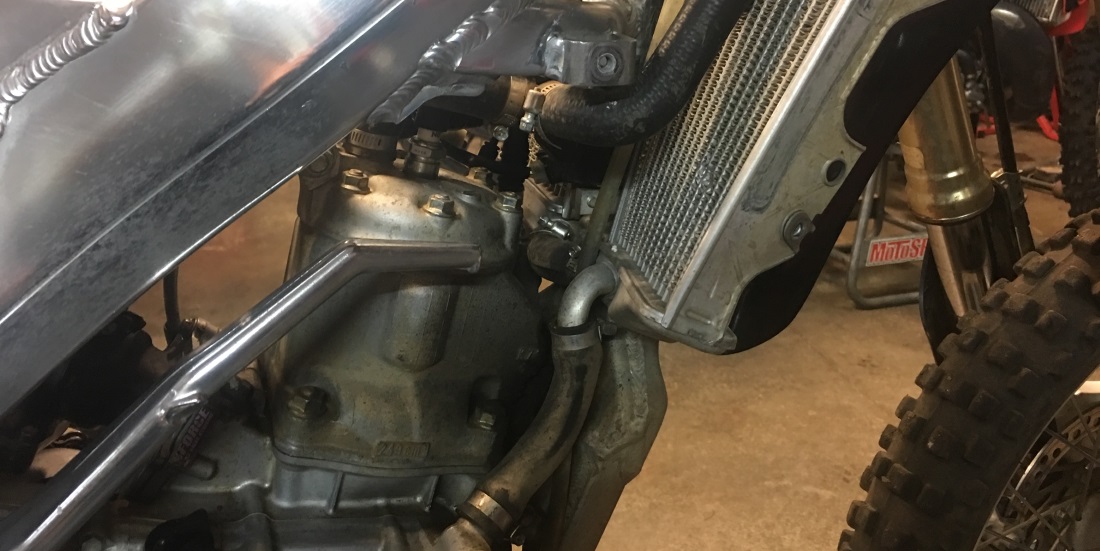
Reinforced silicone is the top choice—it handles extreme heat cycles and coolant chemicals, resists UV/ozone, and stays flexible without cracking or swelling in harsh off-road conditions.
Should I choose molded hose kits or universal/bulk hose for my off-road cooling system?
Molded, pre-formed kits deliver the correct bends and lengths for tight routing and reliable flow on off-road machines; bulk hose suits simple, straight runs if you can prevent kinks. Choose a kit listed for your exact make and model for clean routing and easy install.
How do temperature ratings and coolant types influence which hoses I buy?
Pick high-temp-rated silicone hoses compatible with your coolant chemistry (OAT/HOAT/IAT), and avoid mixing coolant types to prevent material degradation. Riders in hot climates or slow, technical terrain benefit from hoses designed for repeated heat cycling and pressure.
What clamps and add-ons work best with silicone radiator hoses on off-road machines?
Use T-bolt or Oetiker-style clamps for even sealing on silicone and avoid worm-drive clamps that can cut or pinch. Snug them carefully and recheck after the first ride; add guards or sleeves anywhere hoses might rub.
What simple maintenance helps radiator hoses last through rough terrain and water crossings?
Inspect for soft spots, swelling, cracks, or chafing and keep hoses clear of sharp edges and hot exhaust. After installation, bleed the system, stick to regular coolant service, and rinse mud from the radiator to reduce heat stress.