Begin typing to search, when autocomplete results are available use up and down arrows to review and enter to select. Selecting an options will take you to a new page. Touch device users, explore by touch.SEARCH
Search within a riding style, select an optionBegin typing to search, when autocomplete results are available use up and down arrows to review and enter to select. Selecting an options will take you to a new page. Touch device users, explore by touch.
Free shipping on orders over $79 to Illinois
Orders over $79.00 will receive free shipping. This is a residential delivery service, deliveries Monday through Friday from 9:00am to 8:00pm.
What key safety features should an ATV protection jacket have?
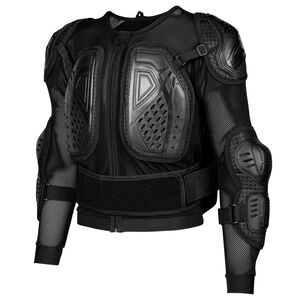
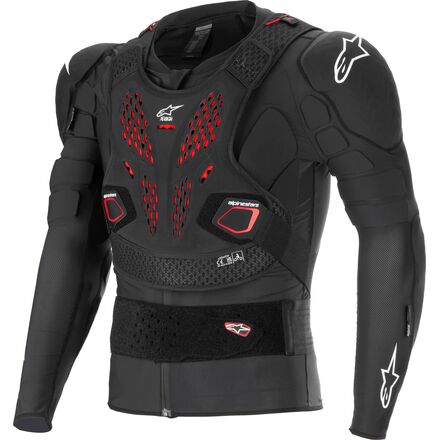
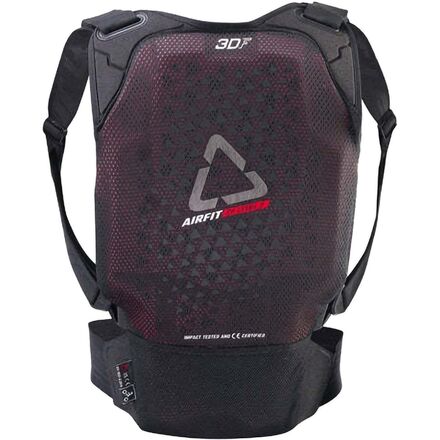
Look for CE-rated EN1621 armor in the elbows, shoulders, and a back protector pocket or insert, plus an EN17092 abrasion rating with reinforced Zone 1 (shoulders/elbows) and Zone 2 (arms/back). Durable seams, minimal exposed hardware, and a drop tail or pant connection to prevent ride-up boost crash performance.
Which materials work best for ATV riding in different weather?
Mesh flows air for hot rides; textile with adjustable vents and removable thermal/waterproof liners covers variable or cold conditions. Leather excels in slide protection but isn’t ideal in steady rain—choose waterproof textile for wet climates.
How should an ATV jacket fit for comfort and coverage?
It should be snug without restricting arm raise or torso twist, with pre-curved sleeves and adjusters at cuffs/hem for layering. A longer cut that extends below the waist and zips or snaps to pants helps maintain coverage in rough terrain.
Can I wear a protection jacket with a chest protector or neck brace?
Choose a jacket with removable CE armor and enough room or stretch to layer over a roost/chest protector, plus a soft, adjustable collar that works with braces. Use the fit adjusters to cinch the jacket when armor is removed or repositioned.
How do I care for a protection jacket to keep it performing?
Follow the fabric’s cleaning instructions, reproof waterproof textiles as needed, and condition leather to prevent drying. After any crash, inspect armor and seams and replace damaged pieces; dry and store the jacket in a cool, ventilated place.