Begin typing to search, when autocomplete results are available use up and down arrows to review and enter to select. Selecting an options will take you to a new page. Touch device users, explore by touch.SEARCH
Search within a riding style, select an optionBegin typing to search, when autocomplete results are available use up and down arrows to review and enter to select. Selecting an options will take you to a new page. Touch device users, explore by touch.
Free shipping on orders over $79 to Illinois
Orders over $79.00 will receive free shipping. This is a residential delivery service, deliveries Monday through Friday from 9:00am to 8:00pm.
What makes ATV base layer shorts different from cycling shorts?
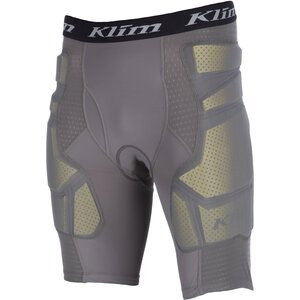
ATV base layer shorts are moisture-wicking, seamless undergarments built for motorized off-road use with stretchy fabrics, flat seams, and targeted ventilation rather than a cycling chamois, so they prioritize comfort under riding gear and thermal regulation during high-movement rides.
Which fabrics and construction details should I prioritize for off-road base layer shorts?
Look for Lycra/spandex blends for stretch and contour, nylon/polyester for abrasion resistance and quick-drying, plus flatlock seams and reinforced stitching in high-stress areas to reduce chafing and extend service life.
How do I choose padding and ventilation based on my riding style and terrain?
Choose minimal or thin multi-density padding for aggressive, short rides and medium-density cushioning for longer sessions, and prioritize mesh panels or perforations in the groin/thigh areas for hot, dusty trail conditions to manage heat and humidity.
Will base layer shorts work with my riding pants and protective gear?
Yes — they’re designed to tuck into pants without riding up and sit smoothly under leathers or textiles, and their low-profile padding and flat seams make them compatible with knee braces and protective shells without added bulk.
What care and maintenance keep base layer shorts performing ride after ride?
Wash on a gentle cycle and air-dry to preserve moisture-wicking properties, avoid fabric softeners that reduce breathability, and inspect seams and reinforcement areas regularly to replace items showing wear before they affect comfort or protection.