Begin typing to search, when autocomplete results are available use up and down arrows to review and enter to select. Selecting an options will take you to a new page. Touch device users, explore by touch.SEARCH
Search within a riding style, select an optionBegin typing to search, when autocomplete results are available use up and down arrows to review and enter to select. Selecting an options will take you to a new page. Touch device users, explore by touch.
Free shipping on orders over $79 to Illinois
Orders over $79.00 will receive free shipping. This is a residential delivery service, deliveries Monday through Friday from 9:00am to 8:00pm.
What are rotating bar clamps and why choose them for off-road riding?
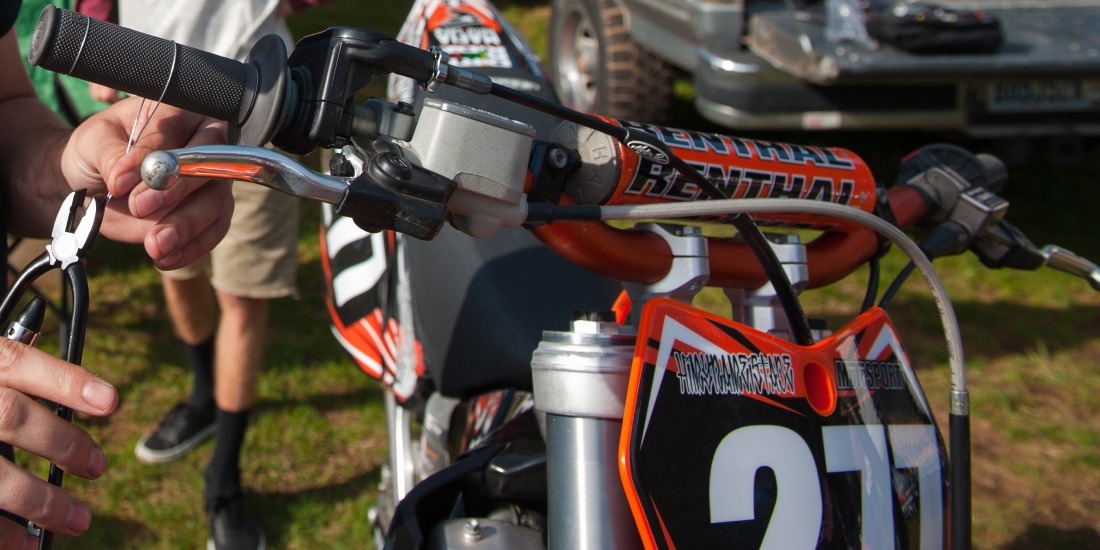
Rotating bar clamps replace the front brake master cylinder perch with a pivoting sleeve that lets the perch rotate on impact to prevent lever breakage, making them a practical crash-protection upgrade for off-road and motocross use.
What terrain and riding styles benefit most from rotating bar clamps?
They’re best for aggressive off-road, motocross, and rough-trail riding where tip-overs are likely, providing lever protection that’s unnecessary for primarily smooth-pavement riding.
What materials and finishes are used, and how do they hold up in wet or muddy conditions?
These clamps are precision CNC-machined from high-grade aluminum with anodized finishes and a polymer sleeve, offering corrosion resistance and durable performance in mud, rain, and regular off-road use.
How easy are rotating bar clamps to install and what should I inspect after fitting?
Installation replaces the stock perch using standard handlebar mounting steps; after fitting and following any tip-over, check clamp alignment, sleeve condition, and lever pivot freedom to ensure continued protection.
How do rotating bar clamps interact with common aftermarket mods and what maintenance do they need?
They work well with typical off-road brake setups and some kits include integrated hot-start levers; maintenance is minimal—keep the sleeve clean, inspect for wear after impacts, and ensure fasteners stay secure.