Begin typing to search, when autocomplete results are available use up and down arrows to review and enter to select. Selecting an options will take you to a new page. Touch device users, explore by touch.SEARCH
Search within a riding style, select an optionBegin typing to search, when autocomplete results are available use up and down arrows to review and enter to select. Selecting an options will take you to a new page. Touch device users, explore by touch.
Free shipping on orders over $79 to Illinois
Orders over $79.00 will receive free shipping. This is a residential delivery service, deliveries Monday through Friday from 9:00am to 8:00pm.
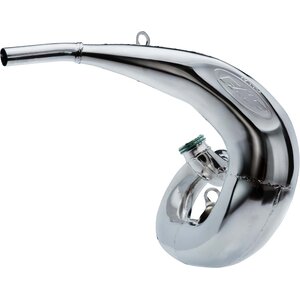
Prioritize compatibility with your ATV’s engine displacement, peak RPM band, and model, then match pipe diameter, length, and design to your riding goals—smaller/longer setups favor low‑end torque for trails, while larger/shorter or stepped pipes favor high‑RPM power for racing.
Which pipe designs work best for trail riding versus racing?
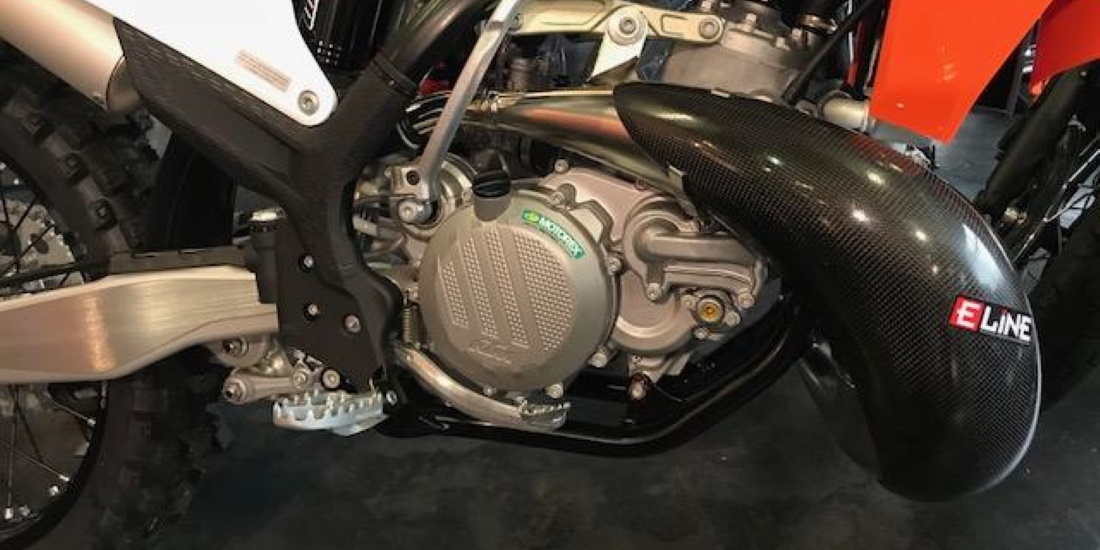
Two‑into‑one styles and longer pipes deliver stronger mid/low RPM response for tight trails and technical riding, while two‑into‑two or stepped/shorter race‑oriented pipes target top‑end power and peak RPM performance.
What materials and coatings should I pick for different weather and terrain?
Choose stainless steel for corrosion resistance in wet and muddy conditions, titanium for lightweight high‑heat racing use, and consider ceramic coatings or heat shielding in hot/dry climates; carbon fiber adds trim but verify heat tolerance and protect finishes in abrasive environments.
How easy is installation and what maintenance should I expect?
Installation is generally straightforward but check alignment, clearances, and mounting hardware; expect routine inspections for dents, corrosion, muffler packing and to use removable baffles for quick sound/performance tuning.
How will a new 2‑stroke pipe affect performance and other engine modifications?
A pipe changes the powerband—trade low‑end torque for top‑end power or vice versa depending on diameter and length—so plan complementary engine tuning or carburation adjustments and weigh the desired sound level against performance gains.