Begin typing to search, when autocomplete results are available use up and down arrows to review and enter to select. Selecting an options will take you to a new page. Touch device users, explore by touch.SEARCH
Search within a riding style, select an optionBegin typing to search, when autocomplete results are available use up and down arrows to review and enter to select. Selecting an options will take you to a new page. Touch device users, explore by touch.
Free shipping on orders over $79 to Illinois
Orders over $79.00 will receive free shipping. This is a residential delivery service, deliveries Monday through Friday from 9:00am to 8:00pm.
What temperatures do motorcycle sensors track, and why does it matter?
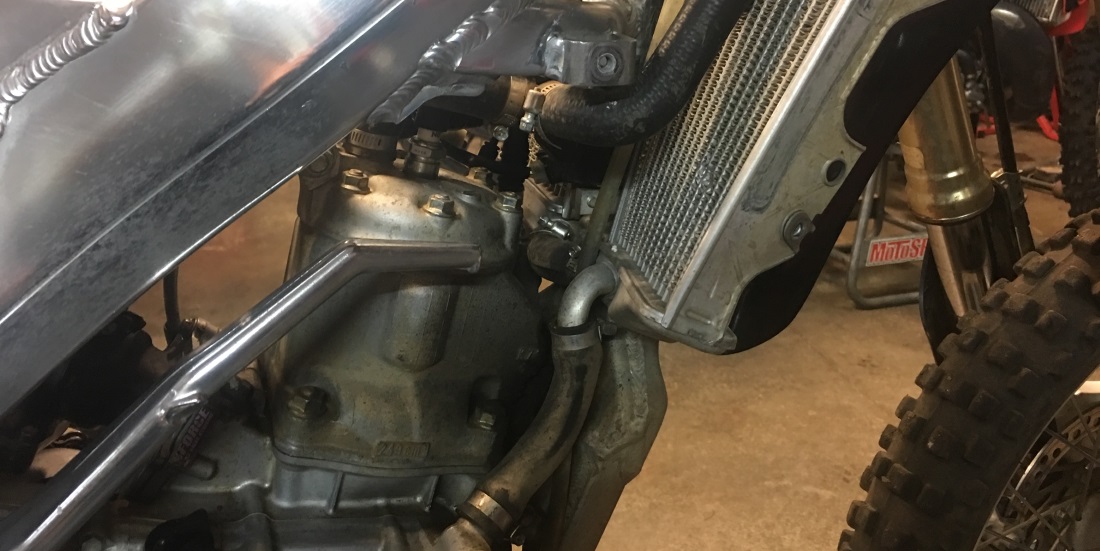
They monitor engine oil, cylinder head, or coolant temps to prevent overheating and keep performance consistent—pick the target that fits your goal (head for hot spots, oil for overall health, coolant for liquid‑cooled systems).
How do I choose between thermocouple, RTD, and thermistor sensors?
Use thermocouples for rugged, wide‑range, fast response in harsh conditions; choose RTDs for the most stable, precise readings on steady rides; pick NTC thermistors for sensitive, cost‑effective monitoring in common operating ranges. Semiconductor IC sensors suit electronics, not extremes.
Which sensor types work best for different riding conditions?
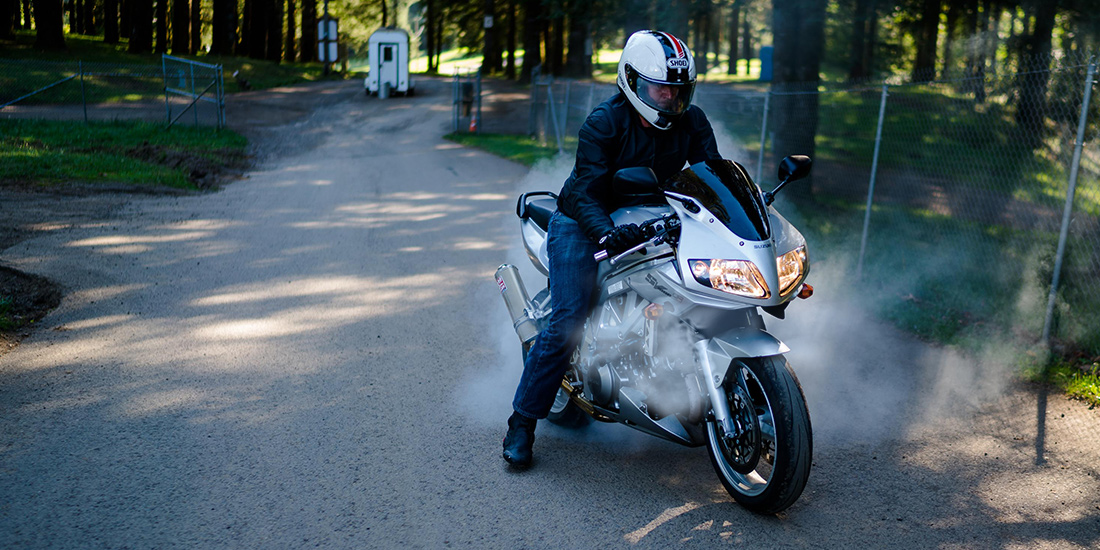
Off‑road or mixed terrain favors rugged, sealed thermocouples with quick response; street/highway riders benefit from RTDs or thermistors for stable cruising and traffic spikes; extreme track use leans toward high‑temperature thermocouples. In wet or muddy weather, choose IP‑rated, corrosion‑resistant probes.
What specs should I compare before buying a temperature sensor?
Prioritize temperature range, accuracy, response time, and durability (e.g., mineral‑insulated construction), plus a mounting location that avoids airflow bias. Match the sensor type/output to your gauge or display input for clean integration.
Any installation and maintenance tips for accurate readings?
Place the probe where it directly senses the medium (oil gallery, cylinder head, or coolant path), secure wiring away from heat/vibration, and seal connectors against moisture. After install, establish baseline temps and periodically inspect probes and seals for drift or damage.