Begin typing to search, when autocomplete results are available use up and down arrows to review and enter to select. Selecting an options will take you to a new page. Touch device users, explore by touch.SEARCH
Search within a riding style, select an optionBegin typing to search, when autocomplete results are available use up and down arrows to review and enter to select. Selecting an options will take you to a new page. Touch device users, explore by touch.
Free shipping on orders over $79 to Illinois
Orders over $79.00 will receive free shipping. This is a residential delivery service, deliveries Monday through Friday from 9:00am to 8:00pm.
What sprocket material should utility riders choose?
Steel prioritizes durability for wet, muddy, or abrasive work, while aluminum cuts weight for quicker handling but needs more frequent inspection; many riders pair a steel front with an aluminum rear for balanced wear and response.
How do tooth count and gear ratio changes affect an ATV/UTV?
A smaller front or larger rear sprocket increases low-speed pull and control for towing or tight trails, while a larger front or smaller rear favors higher speed on open terrain; recheck chain tension and clearances after any gearing change.
How do I ensure new sprockets match my chain and power needs?
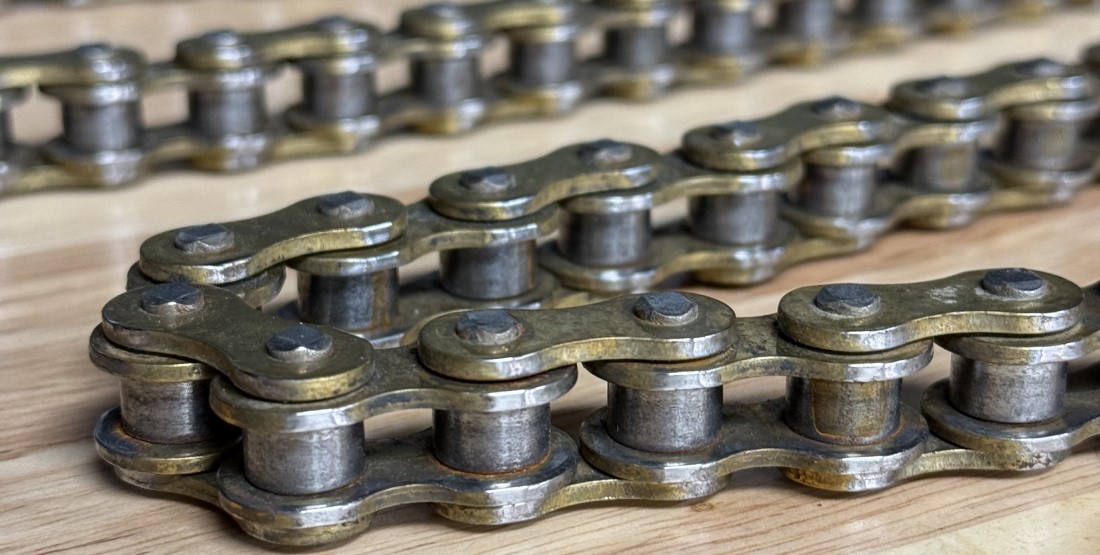
Match sprockets to your chain’s pitch and width and choose construction suited to your vehicle’s torque; replacing chain and both sprockets together promotes smoother operation and longer life.
What if I run bigger tires or carry heavy loads?
Lower gearing helps restore snap and pulling power with larger tires or added weight, and heavy-duty steel sprockets handle the increased torque; verify chain compatibility and inspect for guard or swingarm clearance.
What post-install checks should I do after a sprocket swap?
Set chain tension and alignment, then inspect again after the first rides; look for rubbing around covers and guides and keep the chain clean and lubricated, especially after mud or water.