Begin typing to search, when autocomplete results are available use up and down arrows to review and enter to select. Selecting an options will take you to a new page. Touch device users, explore by touch.SEARCH
Search within a riding style, select an optionBegin typing to search, when autocomplete results are available use up and down arrows to review and enter to select. Selecting an options will take you to a new page. Touch device users, explore by touch.
Free shipping on orders over $79 to Illinois
Orders over $79.00 will receive free shipping. This is a residential delivery service, deliveries Monday through Friday from 9:00am to 8:00pm.
What does Snell certification mean for utility riders?
It verifies rigorous impact, penetration, and strap-retention testing for dependable protection on trails, jobsites, and mixed terrain. For added safety, consider models that also include MIPS to help manage rotational forces.
Which helmet style works best for utility ATV/UTV use?
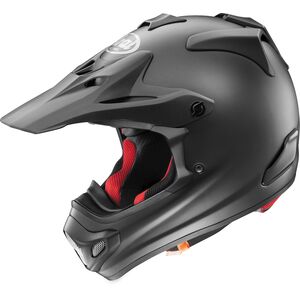
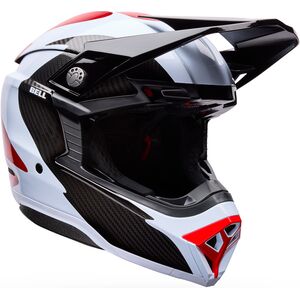
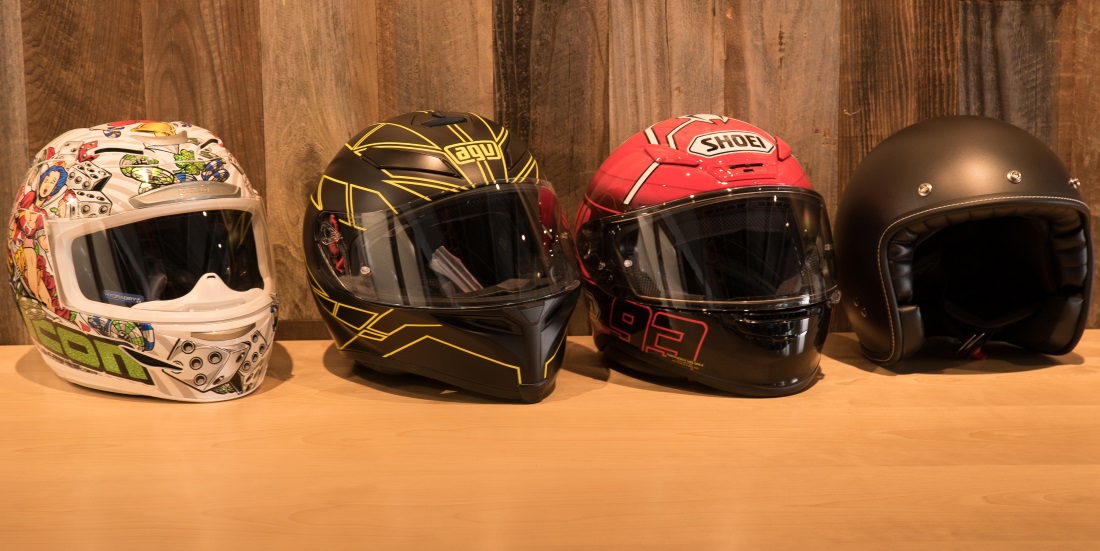
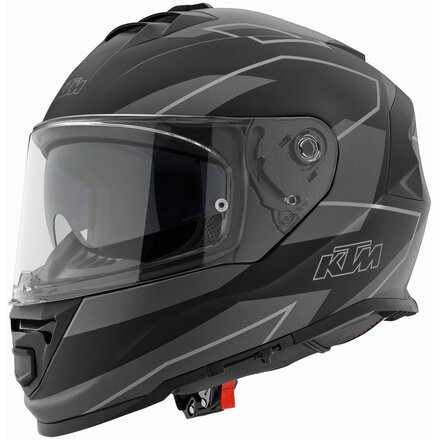
Full-face off-road helmets seal out dust and roost on muddy trails; modular designs add flip-up convenience for frequent stops and communication; dual-sport options pair a face shield with goggle compatibility for variable conditions. Choose based on your airflow needs, speed, and how often you hop in and out.
How do shell materials compare for daily utility riding?
Polycarbonate offers durable, budget-friendly protection; fiberglass composite balances strength and weight; carbon fiber is the lightest for long days and reduced fatigue. All can meet Snell standards—pick the feel and durability that match your workload and ride time.
What fit and comfort features should I prioritize in all weather?
Aim for a snug, head-shape-specific fit with multiple shell sizes to reduce pressure points and fatigue. Adjustable ventilation, anti-fog visors or Pinlock inserts, and removable/washable liners keep vision clear and comfort high in heat, rain, or mud. For quick on/off, micrometric buckles are convenient; D-rings suit aggressive riding.
Will these helmets work with goggles, windshields, and comm systems?
Yes—look for wide eyeports and goggle-strap channels, shield compatibility, and speaker cutouts or space for boom mics. Low-profile shells minimize interference with UTV windshields, while breath boxes or chin curtains help manage dust and fog.