Begin typing to search, when autocomplete results are available use up and down arrows to review and enter to select. Selecting an options will take you to a new page. Touch device users, explore by touch.SEARCH
Search within a riding style, select an optionBegin typing to search, when autocomplete results are available use up and down arrows to review and enter to select. Selecting an options will take you to a new page. Touch device users, explore by touch.
Free shipping on orders over $79 to Illinois
Orders over $79.00 will receive free shipping. This is a residential delivery service, deliveries Monday through Friday from 9:00am to 8:00pm.
How do 2-stroke exhaust systems boost engine power?
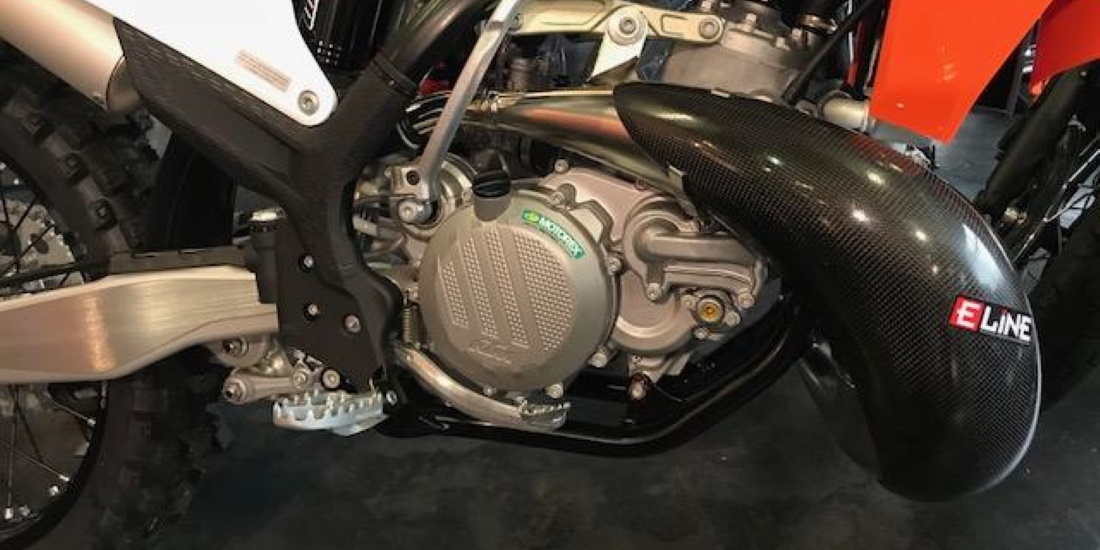
2-stroke exhausts use an expansion chamber tuned to send pressure waves that improve air-fuel scavenging and increase horsepower, making them specific to 2-stroke dirt bikes; they deliver gains over factory systems but must be matched to your bike, riding style and conditions and usually require carburetor re-jetting to avoid lean running or overheating.
Which vehicles and engine types are 2-stroke expansion-chamber exhausts intended for?
They are designed exclusively for 2-stroke dirt bikes and are not suitable for ATVs, UTVs, street bikes, cruisers, adventure bikes, or any 4-stroke engines; always confirm exact make and model compatibility before buying.
How do I choose a pipe for track racing versus rocky trail riding?
Pick lighter, thinner-gauge performance pipes tuned for peak power and wider top-end on smooth tracks, while heavier, thicker or plated pipes with shorter-chamber tuning provide low-to-mid torque and impact resistance for rocky, technical trails.
What installation and tuning should I plan for after installing a 2-stroke exhaust?
Expect differing install scope for full pipes versus silencer-only options, verify alignment and clearances during fitment, and plan on carburetor re-jetting plus on-track or dyno validation to dial in fueling and avoid engine damage.
Which materials and finishes are best for different conditions, and how do I maintain them?
Choose mild steel for budget builds, stainless or titanium for lighter long-term durability, and nickel-plated or thicker-gauge steel for impact-prone off-road use; keep pipes clean, inspect for dents and mounting hardware wear, and use protective coatings as needed since aftermarket systems can be louder and may not meet emissions or noise limits.