Begin typing to search, when autocomplete results are available use up and down arrows to review and enter to select. Selecting an options will take you to a new page. Touch device users, explore by touch.SEARCH
Search within a riding style, select an optionBegin typing to search, when autocomplete results are available use up and down arrows to review and enter to select. Selecting an options will take you to a new page. Touch device users, explore by touch.
Free shipping on orders over $79 to Illinois
Orders over $79.00 will receive free shipping. This is a residential delivery service, deliveries Monday through Friday from 9:00am to 8:00pm.
How do I choose the right oil seal for my streetbike?
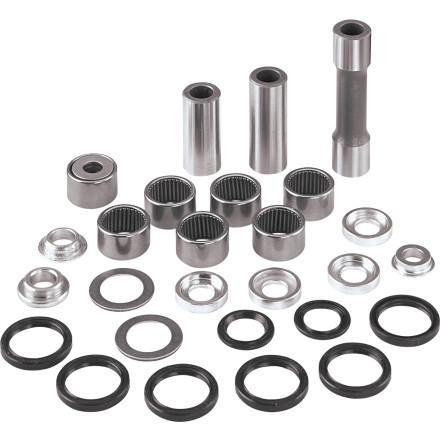
Start with your motorcycle’s exact make, model, and year, then match the seal’s inner diameter, outer diameter, and width to the shaft and housing while selecting the appropriate seal type and material for your riding conditions.
Which seal materials work best for everyday street riding, high-heat use, or synthetic oils?
Nitrile (NBR) is a durable general-purpose choice for street use, fluorocarbon (FKM/Viton) suits higher-heat or synthetic-oil applications, silicone handles very cold climates and abrasion, and PTFE/polyacrylate is reserved for extreme pressure or chemical exposure—always confirm lubricant compatibility.
What seal type should I use for pavement, light gravel, or wet conditions?
For clean pavement a single-lip design is common, while double-lip (dust-proof) and spring-loaded seals provide better protection against gravel and wet/contaminated environments typical of mixed-street riding.
How can I maintain oil seals to maximize service life?
Keep shafts and housings clean and smooth, use compatible lubricants, inspect seals for leaks or hardening, and replace seals promptly if damaged or worn to prevent secondary component damage.
Will common performance modifications change which oil seal I need?
Yes—mods that raise operating temperatures, shaft speeds, or introduce different lubricants call for higher-temperature or chemically resistant materials and possibly spring-loaded or low-friction lip designs, so recheck materials and fit after any drivetrain or engine changes.