Begin typing to search, when autocomplete results are available use up and down arrows to review and enter to select. Selecting an options will take you to a new page. Touch device users, explore by touch.SEARCH
Search within a riding style, select an optionBegin typing to search, when autocomplete results are available use up and down arrows to review and enter to select. Selecting an options will take you to a new page. Touch device users, explore by touch.
Free shipping on orders over $79 to Illinois
Orders over $79.00 will receive free shipping. This is a residential delivery service, deliveries Monday through Friday from 9:00am to 8:00pm.
Full Face MTB Helmet - Comprehensive Head Protection
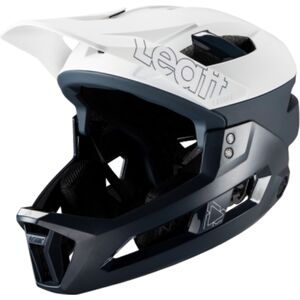
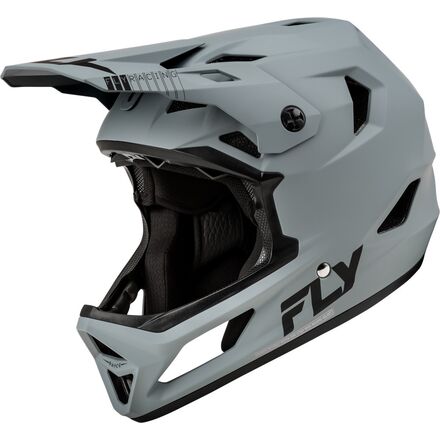
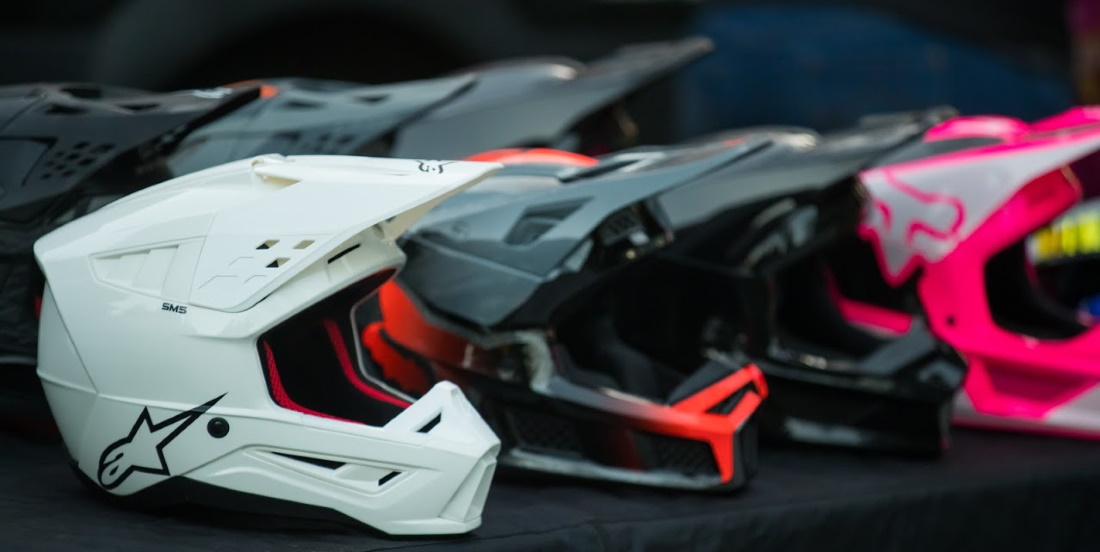
A Full Face Mountain Bike Helmet looks just like a regular dirt bike helmet but weighs less, has lots more ventilation and a wider field of vision. You get way more comprehensive coverage and protection than a standard MB helmet, which covers only the top and back of the head, something sought after by downhill adventure seekers and aggressive trail riders when falls at those high speeds cause greater bodily damage. A Full face mountain bike helmet also protects the face, jaw and chin.
What materials should I prioritize when choosing a full‑face mountain bike helmet?
Choose a shell and liner combo that balances weight and impact performance — polycarbonate shells are durable and budget‑friendly, fiberglass or composite shells offer lighter weight and controlled energy absorption, and carbon fiber is the lightest with excellent energy distribution; ensure the helmet also has a high‑quality EPS or multi‑density liner and, if desired, rotational‑impact tech like MIPS.
Which safety standards matter for downhill and enduro full‑face helmets?
Look for downhill‑specific certifications (such as ASTM downhill standards) and applicable CE marks, which indicate the helmet has been tested for the high‑impact demands of full‑face mountain biking.
How should ventilation and visor design influence my choice for different trail conditions?
For muddy, technical trails choose a helmet with a pronounced peak and chinbar vents plus easy‑to‑clean vent channels; for fast, exposed descents prioritize a helmet with strong airflow extraction, aerodynamic shaping, and anti‑fog visor compatibility.
What basic maintenance and inspection should I perform to keep a full‑face helmet safe?
Regularly wash removable liners, check the shell and chinbar for cracks after any impact, verify straps and buckles operate smoothly, and store the helmet away from prolonged sunlight and harsh chemicals to preserve materials.
Will goggles and communications gear work with a full‑face mountain bike helmet?
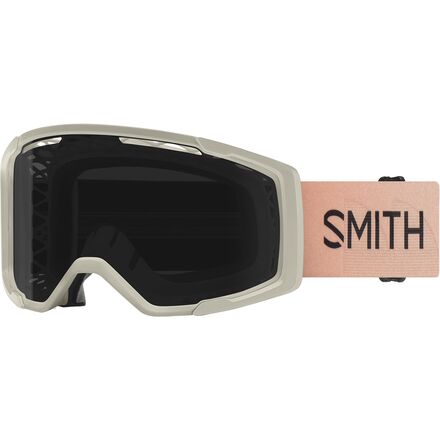
Most full‑face helmets are designed to accommodate goggles and many include goggle‑fit channels, removable cheek pads, and speaker pockets or flat mounting areas for communication devices—choose a model that specifies goggle compatibility and simple strap routing for secure use.