Begin typing to search, when autocomplete results are available use up and down arrows to review and enter to select. Selecting an options will take you to a new page. Touch device users, explore by touch.SEARCH
Search within a riding style, select an optionBegin typing to search, when autocomplete results are available use up and down arrows to review and enter to select. Selecting an options will take you to a new page. Touch device users, explore by touch.
Free shipping on orders over $79 to Illinois
Orders over $79.00 will receive free shipping. This is a residential delivery service, deliveries Monday through Friday from 9:00am to 8:00pm.
How do I choose chains and sprockets built for power and durability?
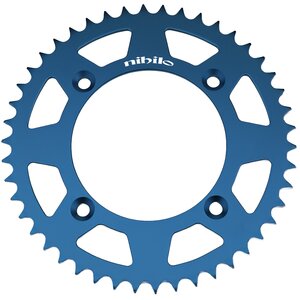
Look for case-hardened steel front sprockets and laser-cut carbon steel rears for strength, and pair with a chain rated for your bike’s size and riding style. Off-road and high-mileage riders typically favor steel for longevity.
How will changing sprocket sizes affect acceleration and top speed?
Smaller front or larger rear sprockets increase acceleration; larger front or smaller rear favor higher top speed. Front sprocket changes generally have a bigger impact than a single-tooth change at the rear.
Which chain type is best for my conditions?
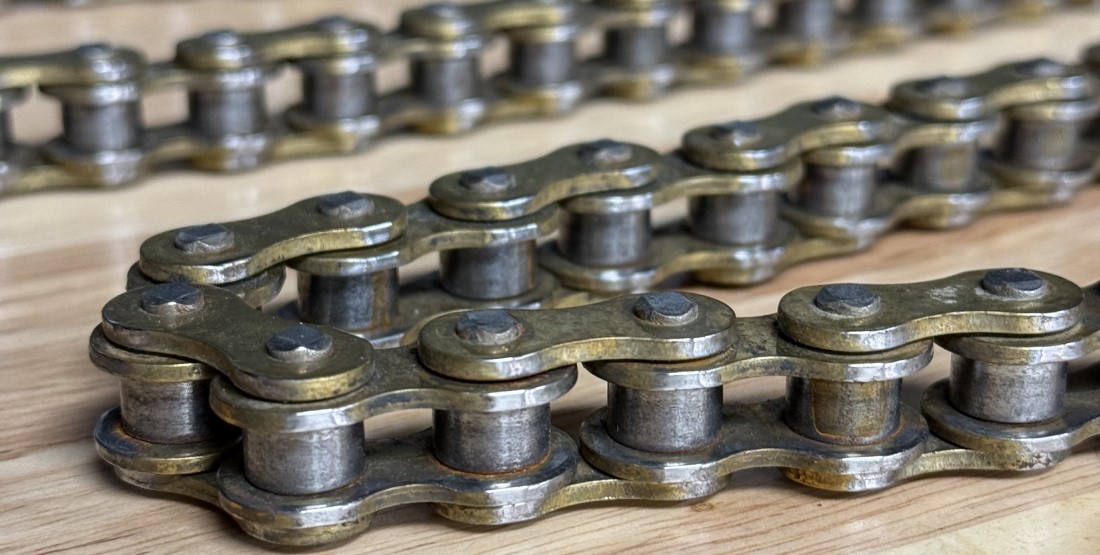
Choose sealed chains for wet, muddy, or dusty rides to keep grit out and extend service life; go lighter, non-sealed options when maximum response is the priority in dry race conditions. Clean, lube, and check tension regularly.
What drive setups work best by ride type?
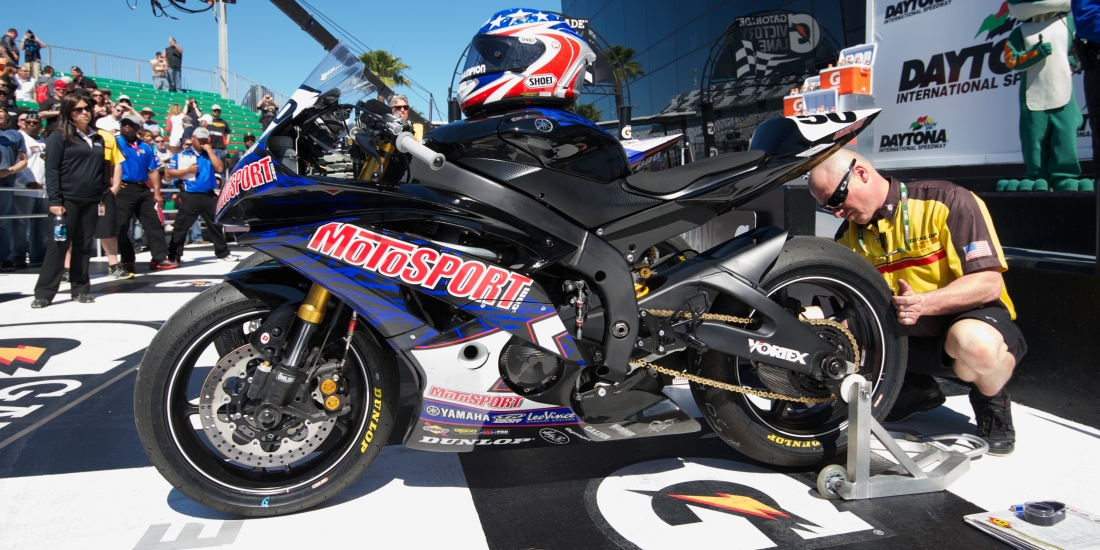
Dirt/off-road often runs lower gearing for torque and durable chains for mud and trails, while dual sport/ADV favors a versatile balance for street-to-trail use. Street/sport bikes lean toward taller gearing for speed, and cruisers prioritize balanced gearing with longevity.
Is installing new drive components a good DIY project?
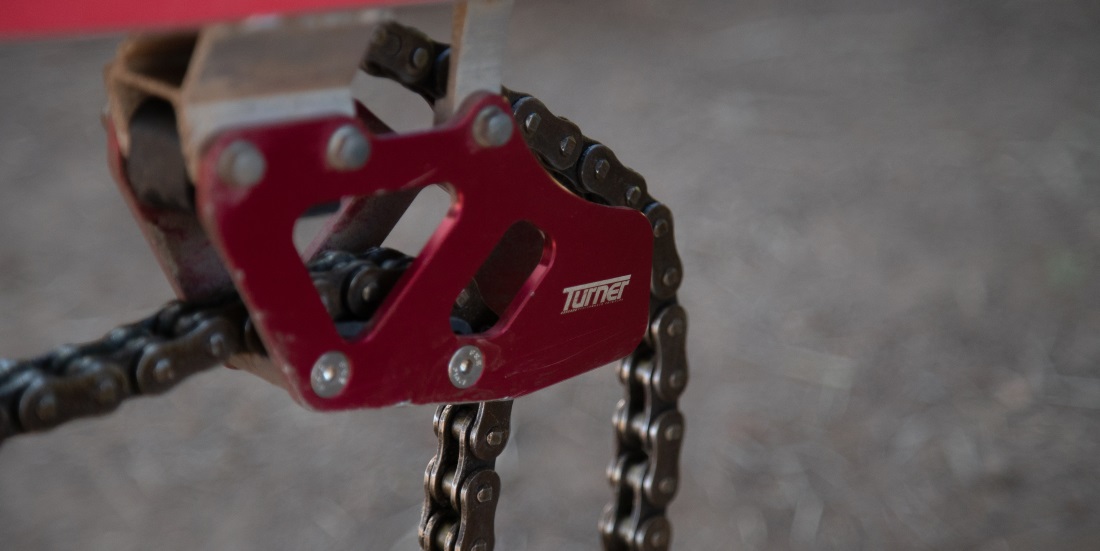
Yes—use basic tools and a proper chain press/rivet tool, align sprockets, set chain slack per your manual, and verify clearance with chain guides and cases after gearing changes. Re-check tension after the first ride and inspect for wear before each outing.