Begin typing to search, when autocomplete results are available use up and down arrows to review and enter to select. Selecting an options will take you to a new page. Touch device users, explore by touch.SEARCH
Search within a riding style, select an optionBegin typing to search, when autocomplete results are available use up and down arrows to review and enter to select. Selecting an options will take you to a new page. Touch device users, explore by touch.
Free shipping on orders over $79 to Illinois
Orders over $79.00 will receive free shipping. This is a residential delivery service, deliveries Monday through Friday from 9:00am to 8:00pm.
How should I prioritize bore diameter, material, and clamp type when choosing motorcycle clamps?
Prioritize matching the clamp bore to your handlebar diameter (small-diameter metric vs larger-diameter cruiser/fat bars), choose a durable alloy like aircraft‑grade aluminum for strength-to-weight, and pick a clamp style that suits your riding—stable, vibration-damping designs for off-road and adjustable or quick-release styles for street and touring.
What clamp features are most important for off-road and high-vibration riding?
Look for split or shim-capable clamps, multi-bolt clamping for even pressure, rubber buffers or bushings to absorb vibration, and lock-style fasteners or anti-rotation features to prevent loosening under hard use.
Which clamp styles work best for cruisers and fat-bar setups?
Select clamps designed for larger-diameter or “fat” bars, use risers or reducers built for even clamping pressure, and prefer robust materials and finishes that resist surface damage and maintain alignment at highway speeds.
How do materials and manufacturing methods affect handling and durability?
Forged alloys offer controlled flex and comfort, while CNC-machined billet clamps provide precise fit and feedback; aircraft-grade aluminum balances strength and lightness, and rubber or silicone liners protect bars and electronics from wear and vibration.
What should I inspect during installation and routine maintenance to keep clamps secure?
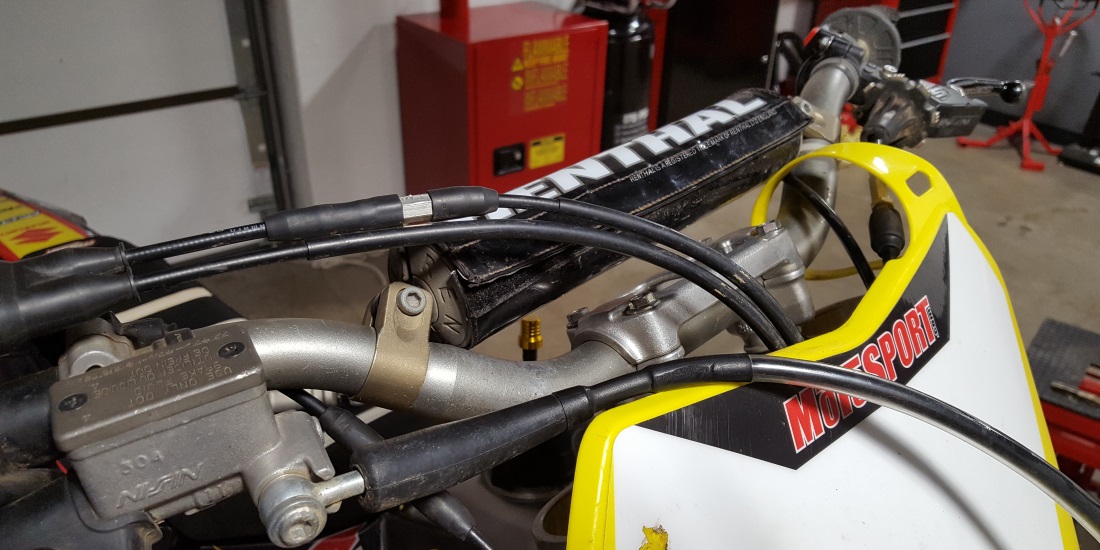
Ensure proper alignment and clearances, tighten fasteners evenly to the manufacturer’s guidance, check rubber liners and bushings for wear, and recheck clamps after initial rides and any heavy impacts or off-road sessions.