Begin typing to search, when autocomplete results are available use up and down arrows to review and enter to select. Selecting an options will take you to a new page. Touch device users, explore by touch.SEARCH
Search within a riding style, select an optionBegin typing to search, when autocomplete results are available use up and down arrows to review and enter to select. Selecting an options will take you to a new page. Touch device users, explore by touch.
Free shipping on orders over $79 to Illinois
Orders over $79.00 will receive free shipping. This is a residential delivery service, deliveries Monday through Friday from 9:00am to 8:00pm.
Snug but not restrictive—tight enough to keep armor in place with room to layer—and comfortable in an upright riding posture; leather starts tighter, while textiles feel lighter but bulkier. Use brand size charts and check reach on the bike.
What armor should I look for in a cruiser jacket?
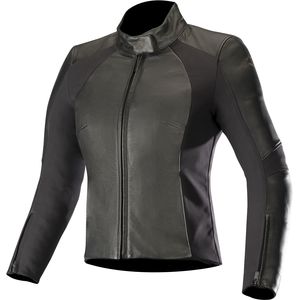
Choose CE-rated protection at the shoulders, elbows, and back, with pockets that allow upgrades or positioning to keep pads in place during a slide.
Leather vs. textile/mesh—what’s better for cruiser riding?
Leather offers superior abrasion resistance, wind blocking, and long-term durability that molds to your shape; textile or mesh boosts breathability and keeps weight down for hot weather. Match the material to your climate and consider separate jackets for summer and cooler seasons.
Which features improve comfort on longer cruiser rides?
Look for adjustable cuffs and waist to seal drafts, vent zips for airflow, and removable thermal/waterproof liners for changing weather. A slightly longer, three-quarter cut overlaps pants to reduce wind leaks.
Where do these jackets work best, and what about maintenance?
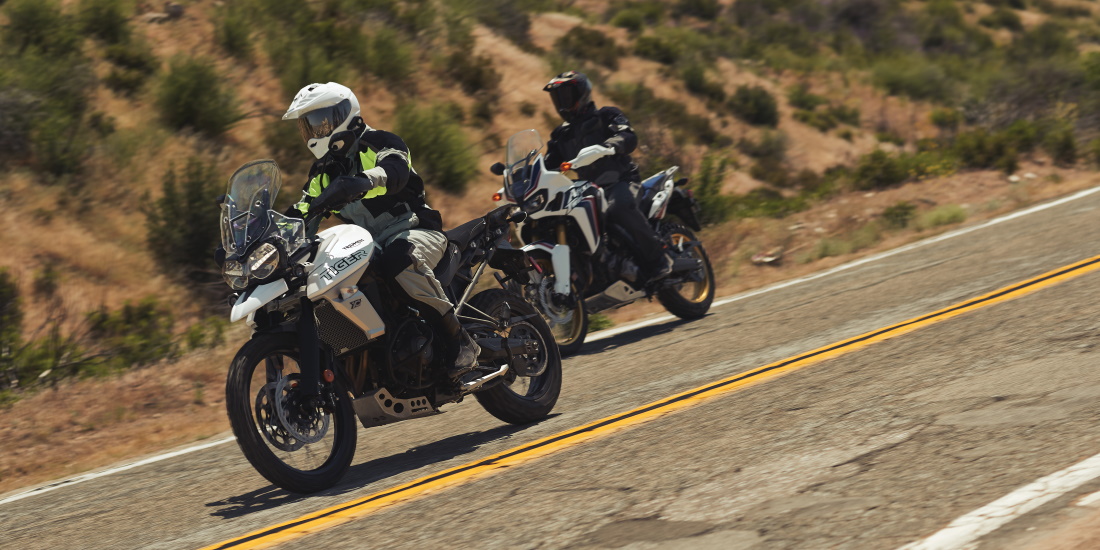
They’re optimized for paved roads and highway cruising; use liners or over-gear for heavy rain and skip rough off-road. Condition leather and air-dry away from heat; wash textiles per label and inspect seams, zippers, and armor after rides or any tip-over.