Begin typing to search, when autocomplete results are available use up and down arrows to review and enter to select. Selecting an options will take you to a new page. Touch device users, explore by touch.SEARCH
Search within a riding style, select an optionBegin typing to search, when autocomplete results are available use up and down arrows to review and enter to select. Selecting an options will take you to a new page. Touch device users, explore by touch.
Free shipping on orders over $79 to Illinois
Orders over $79.00 will receive free shipping. This is a residential delivery service, deliveries Monday through Friday from 9:00am to 8:00pm.
How do I choose the right heated jacket or liner for cruiser riding?
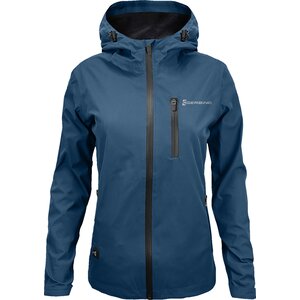
Prioritize battery life, full-torso heat coverage, fit compatibility with armor and outer jackets, IPX4+ water resistance, and durability for cold conditions under 40°F (4°C); also match heat zones and adjustability to your riding style and terrain.
Should I buy a battery-powered, bike-wired, or hybrid heated jacket for cruiser use?
Battery-powered models offer the most multi-bike versatility and convenience for cruiser riders, while bike-wired or hybrid options suit long tours but limit easy bike changes—check battery runtime, replacement costs, and secure battery placement to avoid bouncing.
What heat zones and controls work best for women's cruiser heated jackets and liners?
Seek full torso (chest + back) coverage with optional collar or sleeve zones, at least three temperature settings, and glove-friendly controls; avoid prolonged direct-skin contact on high settings to prevent irritation.
Are heated jackets and liners weatherproof and durable enough for cold, wet cruiser rides?
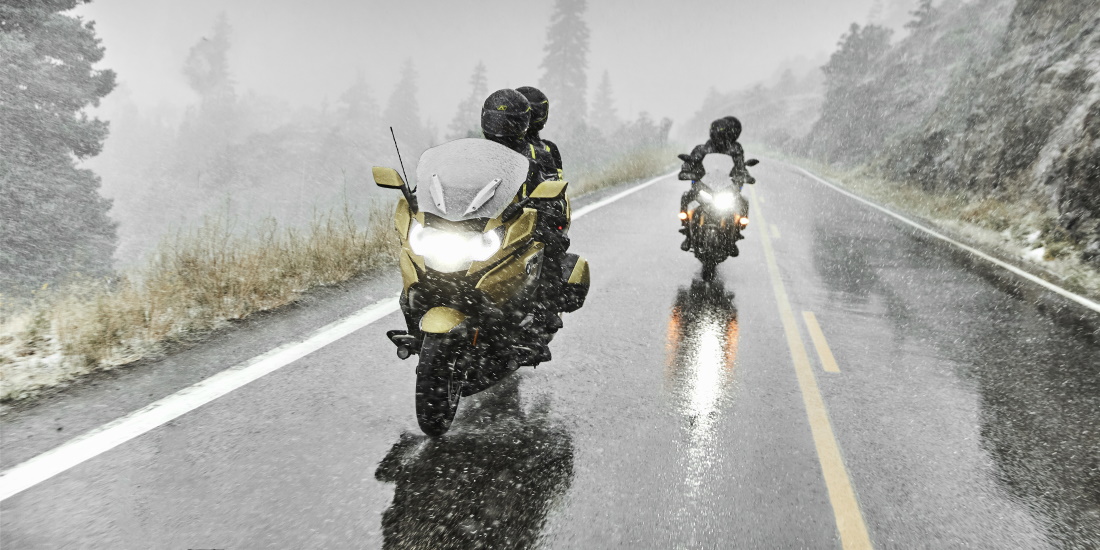
Look for IPX4 or better splash protection, sealed seams, reinforced stitching, and moisture-protected connectors; pair a heated liner with a waterproof outer shell for heavier rain or snow and avoid models with exposed fragile wiring.
How should I care for and maintain a heated jacket or liner to ensure reliability?
Remove batteries before cleaning, follow hand-wash or manufacturer care instructions, inspect wiring and connectors regularly, store dry, and confirm backpack straps or outer layers won’t block heating zones.