Begin typing to search, when autocomplete results are available use up and down arrows to review and enter to select. Selecting an options will take you to a new page. Touch device users, explore by touch.SEARCH
Search within a riding style, select an optionBegin typing to search, when autocomplete results are available use up and down arrows to review and enter to select. Selecting an options will take you to a new page. Touch device users, explore by touch.
Free shipping on orders over $79 to Illinois
Orders over $79.00 will receive free shipping. This is a residential delivery service, deliveries Monday through Friday from 9:00am to 8:00pm.
What materials work best for women’s cruiser gloves?
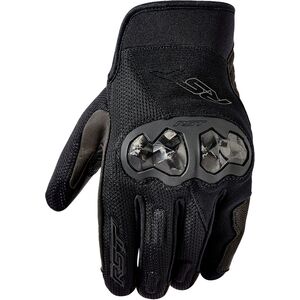
Cowhide leather delivers top abrasion resistance and grip for the street, while sheepskin is lighter and more flexible for all-day comfort; textiles breathe well in heat but trade some durability. Skip stiff synthetics like Kevlar unless you specifically need extreme heat resistance.
How should cruiser gloves fit for comfort and control?
They should be snug—not tight—with no finger tip bunching or loose wrists so you can flex naturally and maintain feel at the controls. Look for stretch zones, soft linings, palm/knuckle padding, and adjustable closures to prevent hotspots on longer rides.
What glove types should I choose for hot, wet, or cold cruising?
For summer, pick perforated leather or mesh textile for airflow; for rain, use waterproof textiles or Gore‑Tex liners and avoid untreated leather. In cold, go insulated or add heating elements, and consider reflective details for low‑light visibility.
What protection and features matter most for street cruising?
Prioritize high abrasion resistance with reinforced palms and knuckle protection, favoring leather for slide performance without excessive race-style armor. Useful extras include ventilation panels and touchscreen fingertips for quick stops.
How do I care for and break in leather cruiser gloves?
Expect a short break‑in as the leather molds to your hands; keep them clean and occasionally condition the leather to maintain feel and longevity. Avoid soaking, use waterproof treatments if needed, and regularly check closures and seams before rides.