Begin typing to search, when autocomplete results are available use up and down arrows to review and enter to select. Selecting an options will take you to a new page. Touch device users, explore by touch.SEARCH
Search within a riding style, select an optionBegin typing to search, when autocomplete results are available use up and down arrows to review and enter to select. Selecting an options will take you to a new page. Touch device users, explore by touch.
Free shipping on orders over $79 to Illinois
Orders over $79.00 will receive free shipping. This is a residential delivery service, deliveries Monday through Friday from 9:00am to 8:00pm.
What valve train parts are offered for cruisers and how do they help performance?
Valves, springs, shims, seals, guides, and rocker arms regulate valve timing to improve airflow, throttle response, efficiency, and engine longevity on V-twin and similar cruiser engines.
How do I choose between titanium and steel valves for a cruiser build?
Pick titanium for lightweight, quick-revving performance with coatings that cut friction; choose steel/chrome-vanadium for longer service life and steady touring use. Match valve choice with appropriate spring strength for reliability.
Which kits make sense for a performance-modified V-twin versus a routine rebuild?
For high-RPM or cammed engines, pair lightweight valves with matched high-rate spring kits and roller rocker arms for reduced wear. For stock or long-mile cruisers, steel valves with upgraded springs plus fresh seals/guides offer durable, hassle-free rebuilding; complete kits with retainers/seats simplify the job.
What should cruiser riders check during installation and adjustment of valve train parts?
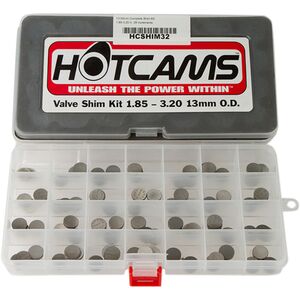
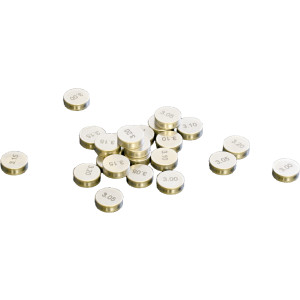
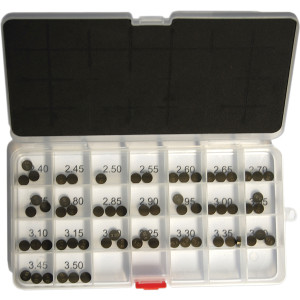
Confirm parts align with your engine’s adjustment style (screw-adjuster or shim-based), then set clearances to factory spec using quality shim kits where applicable. Angled feeler gauges and T-handles help in tight V-twin spaces; inspect and measure guides before assembly.
How do riding conditions and weather affect valve train choices on cruisers?
For pavement and long-distance touring, steel valves with robust springs handle sustained loads and variable weather, while coated components run cooler in heat. For short-interval, high-RPM use, titanium with matched springs delivers sharper response; rough off‑road vibration warrants more frequent inspections of guides and seals.