Begin typing to search, when autocomplete results are available use up and down arrows to review and enter to select. Selecting an options will take you to a new page. Touch device users, explore by touch.SEARCH
Search within a riding style, select an optionBegin typing to search, when autocomplete results are available use up and down arrows to review and enter to select. Selecting an options will take you to a new page. Touch device users, explore by touch.
Free shipping on orders over $79 to Illinois
Orders over $79.00 will receive free shipping. This is a residential delivery service, deliveries Monday through Friday from 9:00am to 8:00pm.
A twin-shock rear with conventional telescopic forks is the go-to, delivering straight-line comfort, classic looks, and smooth low-speed bump absorption; consider monoshock or inverted fork upgrades only if you’re chasing sharper handling.
How should I choose shocks and fork components for pavement vs. light gravel?
Prioritize softer, compliant twin shocks and basic fork options that tame small bumps on smooth roads, and skip overly stiff, track-oriented setups that reduce comfort on casual rides.
Should I pick gas-charged or hydraulic shocks for my cruiser?
Gas-charged shocks resist fade in hot weather and long rides, while hydraulic units provide consistent damping across varying temps; choose sealed, corrosion-protected finishes if you ride in rain or around road salt.
What adjustability is worth having on cruiser suspension?
Preload adjustment is essential for two-up touring or luggage, with rebound/compression tuning only if you plan to fine-tune regularly—always keep front and rear damping balanced.
Any install and maintenance tips for cruiser shocks and forks?
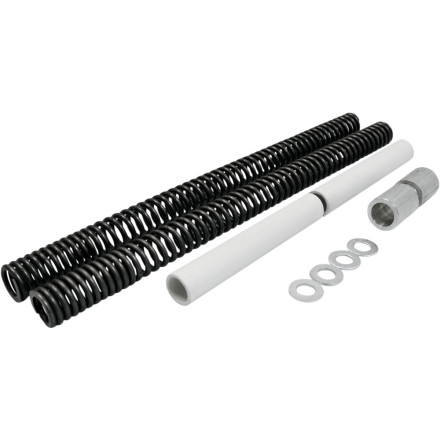
Bolt-on twin shocks and basic fork upgrades are generally straightforward; match your bike’s stock twin-shock layout, verify clearances with fenders or bags, then recheck fasteners, seals, and settings after a few rides.