Begin typing to search, when autocomplete results are available use up and down arrows to review and enter to select. Selecting an options will take you to a new page. Touch device users, explore by touch.SEARCH
Search within a riding style, select an optionBegin typing to search, when autocomplete results are available use up and down arrows to review and enter to select. Selecting an options will take you to a new page. Touch device users, explore by touch.
Free shipping on orders over $79 to Illinois
Orders over $79.00 will receive free shipping. This is a residential delivery service, deliveries Monday through Friday from 9:00am to 8:00pm.
What hose materials should I pick for a cruiser radiator hose?
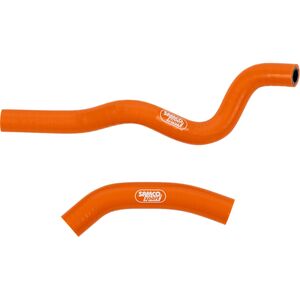
Choose EPDM rubber for stock-style reliability and good coolant compatibility, or multi-ply silicone for longer life, higher heat resistance, and better flexibility; avoid cheap single-layer silicone and nitrile-based rubbers.
How do I know if a hose’s shape and dimensions suit my cruiser’s routing?
Confirm the hose matches the required inner/outer profile, length, and bend radius so it slides on without kinking, and favor pre-formed shapes for tight routing and neat clearance around the engine.
Why is reinforcement important in cruiser radiator hoses and what types help most?
Look for fiber or aramid/polyester reinforcement layers to prevent ballooning under pressure and resist vibration fatigue, which is critical for long-term leak-free service.
Which hose type is best for different cruiser riding conditions like highway touring or hot-weather riding?
For steady road and general touring, EPDM offers reliable chemical resistance, while reinforced multi-ply silicone is the better choice for sustained high-heat use, heavy-duty touring, or modified bikes that generate extra thermal stress.
What installation and maintenance checks extend radiator hose life on a cruiser?
Test-fit hoses dry for smooth fit, use the correct clamp type and tighten appropriately, inspect for bulges or residue before installing, pressure-test the cooling system, and purge trapped air after installation to prevent overheating and premature failure.