Begin typing to search, when autocomplete results are available use up and down arrows to review and enter to select. Selecting an options will take you to a new page. Touch device users, explore by touch.SEARCH
Search within a riding style, select an optionBegin typing to search, when autocomplete results are available use up and down arrows to review and enter to select. Selecting an options will take you to a new page. Touch device users, explore by touch.
Free shipping on orders over $79 to Illinois
Orders over $79.00 will receive free shipping. This is a residential delivery service, deliveries Monday through Friday from 9:00am to 8:00pm.
How do I ensure I order the correct gasket for my cruiser?
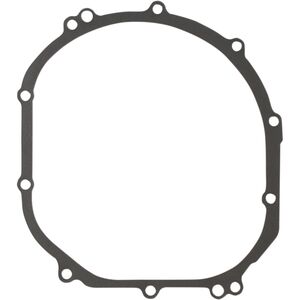
Match the gasket to your bike’s year, make, model, engine code and the specific component using your service manual for specs on dimensions, bore size, thickness, and part numbers, then confirm the part number is a direct fit before purchase.
Which gasket materials are best for cruiser heads, exhausts, oil pans and chaincases?
Use multi-layer steel or graphite compounds for heads and exhausts, metallic constructions where high pressure exists, cork-composite for oil pans, and nitrile/neoprene rubber or O-ring seals for chaincases and oil-resistant applications.
What temperature and pressure characteristics matter for cruiser gaskets?
Choose gaskets rated for sustained high heat and engine compression—high-temp graphite or MLS designs for hot exhaust/head areas and more rigid metallic types where bolt load and pressure are greatest, while softer compounds suit low-pressure covers.
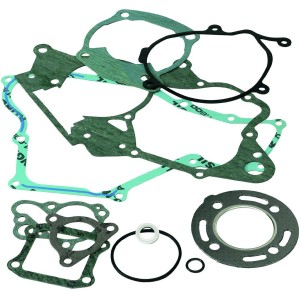
Should I buy a full gasket kit or individual gaskets when working on a cruiser?
For teardown jobs and full engine work, buy a complete kit that includes O-rings and seals to avoid missing parts; individual gaskets are acceptable for targeted repairs but verify each needed seal against your service manual.
How do riding style, terrain and common modifications change gasket selection for cruiser bikes?
Touring and pavement-focused riders should favor heat- and vibration-resistant graphite/steel exhaust and durable rubber seals, wet or salty conditions call for neoprene/EPDM resistance, and performance or exhaust upgrades typically require higher-temp, more robust head and exhaust gaskets while inspecting mating surfaces during installation.