Begin typing to search, when autocomplete results are available use up and down arrows to review and enter to select. Selecting an options will take you to a new page. Touch device users, explore by touch.SEARCH
Search within a riding style, select an optionBegin typing to search, when autocomplete results are available use up and down arrows to review and enter to select. Selecting an options will take you to a new page. Touch device users, explore by touch.
Free shipping on orders over $79 to Illinois
Orders over $79.00 will receive free shipping. This is a residential delivery service, deliveries Monday through Friday from 9:00am to 8:00pm.
What packing material is best for cruiser exhausts?
Fiberglass packing is the standard choice for cruisers because it provides excellent sound absorption, a deep rumble, low cost, and easy installation; upgrade to basalt or stainless blends only for much hotter or high-output setups.
How does packing choice affect cruiser tone and engine response?
Packing density and material change sound and backpressure—fiberglass yields a softer, deeper cruiser tone while over‑ or under‑packing can dull low‑end response, so use the exact gram weight specified by the muffler manufacturer.
Which packing should I choose for hot climates or heavily modified cruisers?
For sustained high heat or heavily modified engines choose higher‑heat materials like basalt fiber or stainless blends for greater durability and longer service intervals; for typical street cruising stick with fiberglass.
When should I repack a cruiser muffler and what maintenance should I do?
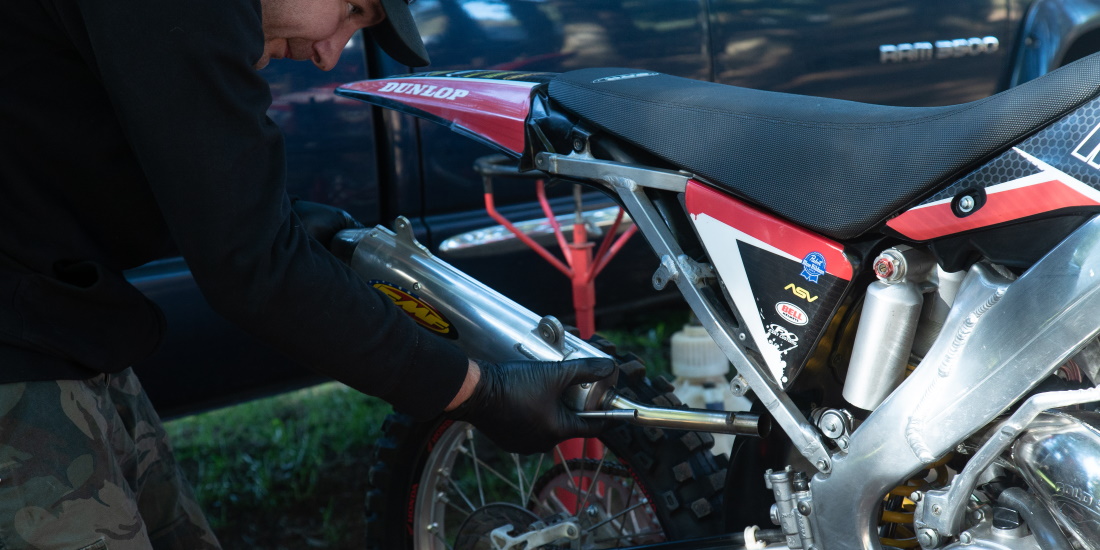
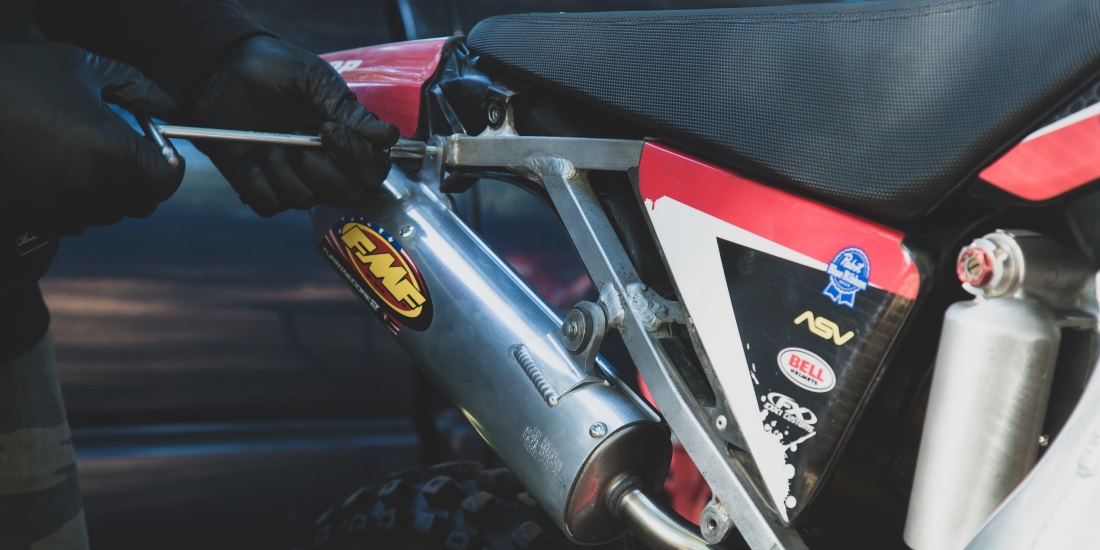
Repack when the muffler becomes noticeably louder or raspier, clean out carbon and inspect the baffle, and follow the manufacturer’s gram‑weight spec when replacing packing; common tools include gloves, a scale, a wire brush, and a rivet gun.
How do terrain and riding style influence packing selection for cruisers?
For paved road and highway cruising fiberglass handles steady low‑heat flow and meets noise expectations, while abrasive or very hot conditions call for basalt or stainless options, and ceramic/steel wool can be used where extra sound reduction or longevity is needed.