Begin typing to search, when autocomplete results are available use up and down arrows to review and enter to select. Selecting an options will take you to a new page. Touch device users, explore by touch.SEARCH
Search within a riding style, select an optionBegin typing to search, when autocomplete results are available use up and down arrows to review and enter to select. Selecting an options will take you to a new page. Touch device users, explore by touch.
Free shipping on orders over $79 to Illinois
Orders over $79.00 will receive free shipping. This is a residential delivery service, deliveries Monday through Friday from 9:00am to 8:00pm.
What materials are clutch baskets made from and which is best for cruiser use?
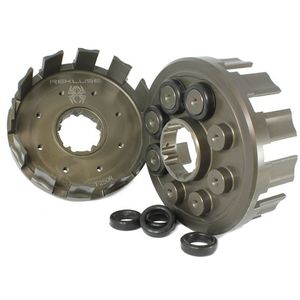
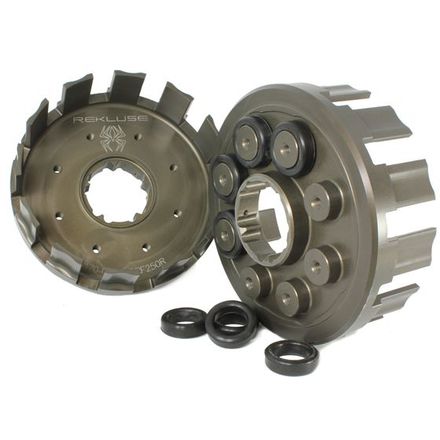
Clutch baskets are commonly billet aluminum, heat-treated alloy, or forged steel; billet aluminum offers lighter weight and smoother modulation while heat-treated or forged steel provides stronger torque handling and resistance to notching—choose based on your power level and desired feel.
How should my riding style and typical conditions influence which clutch basket I pick for a cruiser?
If you ride aggressively with launches, drops, or heavy towing, choose a reinforced or billet basket with improved cooling; for gentle street commuting, a standard alloy basket will usually provide long life.
What inspection and maintenance cues indicate a clutch basket needs service or upgrading?
Look for slipping under load, hard or noisy shifts, clutch drag or vibration, visible notches or scoring on the basket, and heat discoloration—these signs point to wear or the need for a more durable basket.
How do common engine or power upgrades affect clutch basket selection?
Increased power or torque from performance mods calls for a basket rated for higher torque and improved heat dissipation, and you should confirm the basket design is compatible with any aftermarket auto-clutch or slipper systems you plan to use.
How difficult is installation and what should I check during installation on a cruiser?
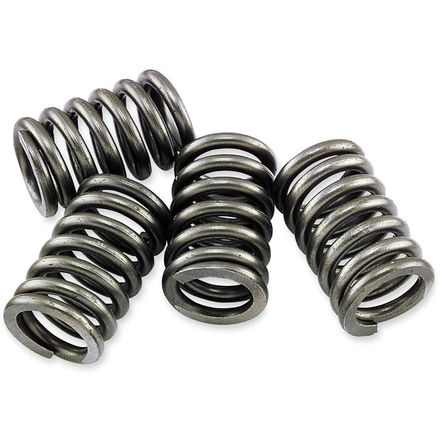
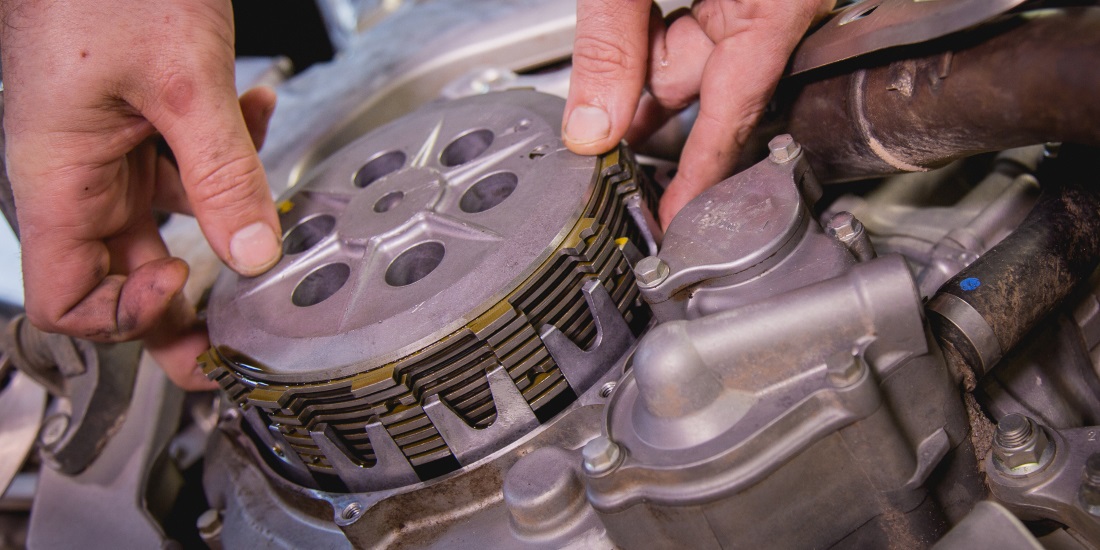
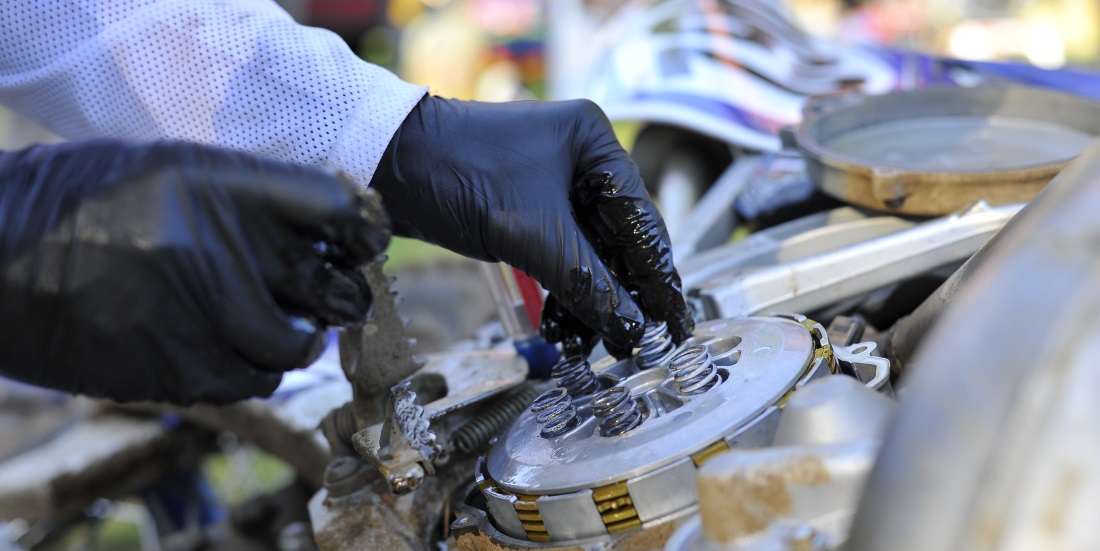
Installation focuses on correct spline engagement, alignment and clearances, proper spring seating, and ensuring ramp or slipper features are oriented correctly—if those checks are met, installation is straightforward for any experienced mechanic.