Begin typing to search, when autocomplete results are available use up and down arrows to review and enter to select. Selecting an options will take you to a new page. Touch device users, explore by touch.SEARCH
Search within a riding style, select an optionBegin typing to search, when autocomplete results are available use up and down arrows to review and enter to select. Selecting an options will take you to a new page. Touch device users, explore by touch.
Free shipping on orders over $79 to Illinois
Orders over $79.00 will receive free shipping. This is a residential delivery service, deliveries Monday through Friday from 9:00am to 8:00pm.
How do I pick brake tools that match my cruiser’s setup?
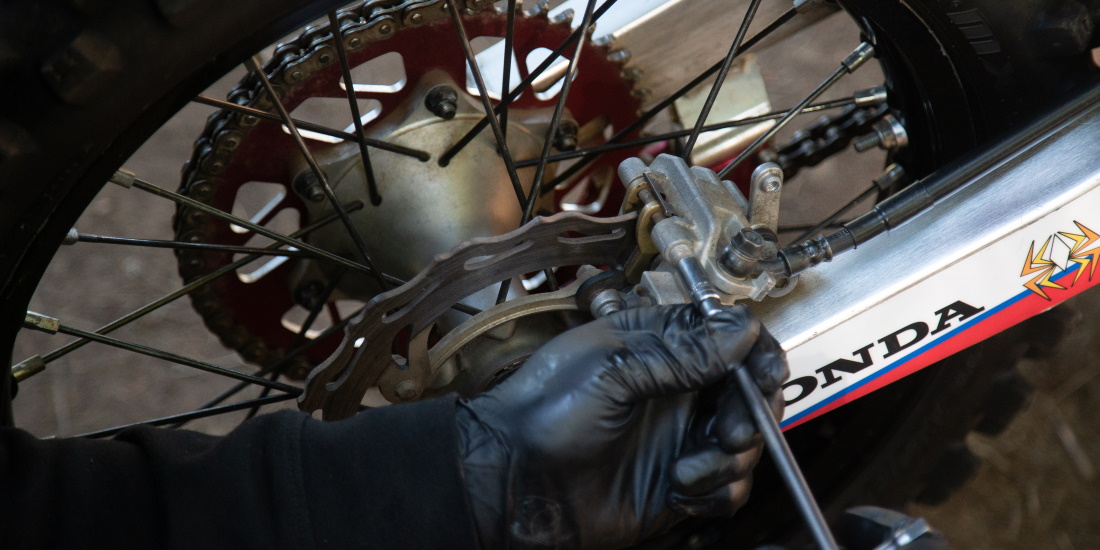
Confirm model and year compatibility, caliper type (single or dual piston), master cylinder spec, and banjo bolt threading to ensure proper sealing and performance.
What materials and designs hold up best for cruiser braking in different weather?
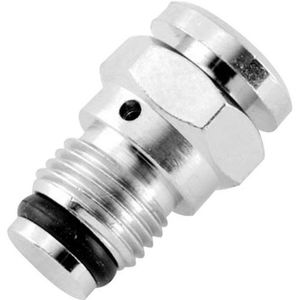
Choose stainless steel braided lines and corrosion‑resistant alloys for durability; use sealed or protected bleeders in wet climates and high-heat-resistant pads and components for hot conditions.
Which brake tools suit highway touring vs daily commuting on a cruiser?
Touring favors fade‑resistant pads and robust lines for sustained braking, while commuters benefit from easy‑access bleed kits and quick‑priming tools for regular maintenance.
What should I know about fluid and pressure when selecting bleed kits and caliper tools?
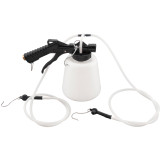
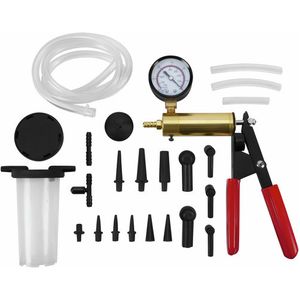
Match tools to your bike’s brake fluid standard (DOT 4/5.1), ensure vacuum/reservoir compatibility to prevent air intrusion, and choose gear rated for hydraulic brake pressure.
Any install and mod-fit tips for cruiser brake tools?
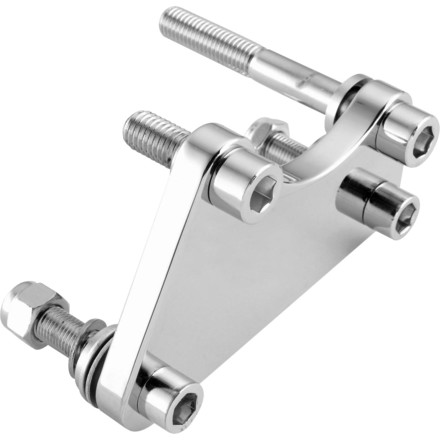
Pick low‑profile, no‑special‑tool kits to work around tight V‑twin clearances; if you’ve changed bars, lines, or calipers, verify banjo angles and threads and avoid oversized caliper tools. After install, recheck lever feel and inspect connections for weeping.