Begin typing to search, when autocomplete results are available use up and down arrows to review and enter to select. Selecting an options will take you to a new page. Touch device users, explore by touch.SEARCH
Search within a riding style, select an optionBegin typing to search, when autocomplete results are available use up and down arrows to review and enter to select. Selecting an options will take you to a new page. Touch device users, explore by touch.
Free shipping on orders over $79 to Illinois
Orders over $79.00 will receive free shipping. This is a residential delivery service, deliveries Monday through Friday from 9:00am to 8:00pm.
What should I prioritize when choosing 4‑stroke mid‑pipes for a cruiser?
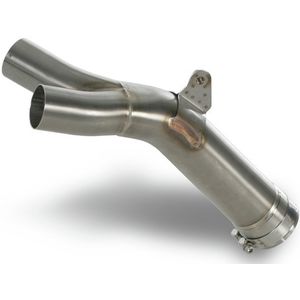
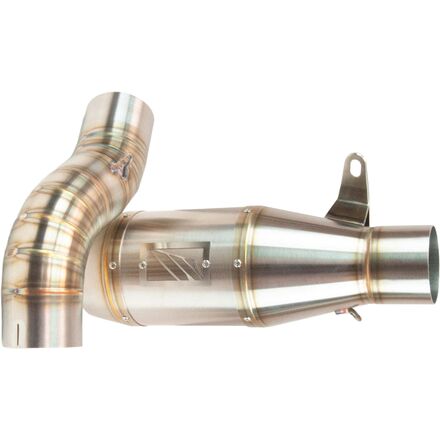
Prioritize exact year/make/model compatibility, durable material, pipe diameter matched to your engine size, and length suited to your riding style, since mid‑pipes connect headers to mufflers and affect emissions, backpressure, torque, and noise.
How do mid‑pipe length and diameter change cruiser performance and sound?
Length and diameter tune where power and tone live—shorter/larger setups favor high‑RPM power and a throaty roar, mid‑length balances torque and top‑end, and full‑length favors low‑end torque and deep tone—so match choices to your riding priorities.
Which materials and finishes are best for wet, coastal, or winter riding?
Choose more corrosion‑resistant materials and finishes for wet or salty conditions—stainless upgrades or titanium resist rust better and titanium also reduces weight, while standard stainless is fine for dry climates.
What installation and inspection steps matter for safe cruiser mid‑pipe fitment?
Check alignment and clearances around the frame, bags and heat‑sensitive parts, ensure heat shielding is adequate, secure modular baffles and clamps to avoid rattles, and confirm exhaust routing and sensor compatibility; consider professional installation for complex systems.
How do mid‑pipes interact with other exhaust modifications and tuning needs?
Mid‑pipes alter backpressure and can change emissions characteristics—slip‑on style changes may be minimal, while full‑system swaps often require fuel or tuning adjustments and verification of sensor compatibility to avoid power loss.