Begin typing to search, when autocomplete results are available use up and down arrows to review and enter to select. Selecting an options will take you to a new page. Touch device users, explore by touch.SEARCH
Search within a riding style, select an optionBegin typing to search, when autocomplete results are available use up and down arrows to review and enter to select. Selecting an options will take you to a new page. Touch device users, explore by touch.
Free shipping on orders over $79 to Illinois
Orders over $79.00 will receive free shipping. This is a residential delivery service, deliveries Monday through Friday from 9:00am to 8:00pm.
What is a cruiser 4‑stroke end cap and what does it do?
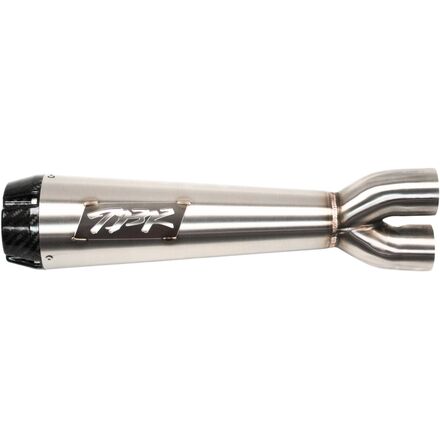
A cruiser 4‑stroke end cap is an exhaust muffler tip replacement that upgrades styling, offers minor sound tweaks, and protects the muffler outlet; they come in screw‑in (billet) or weld‑on designs suited to cruiser platforms.
How do attachment types differ and which should I choose?
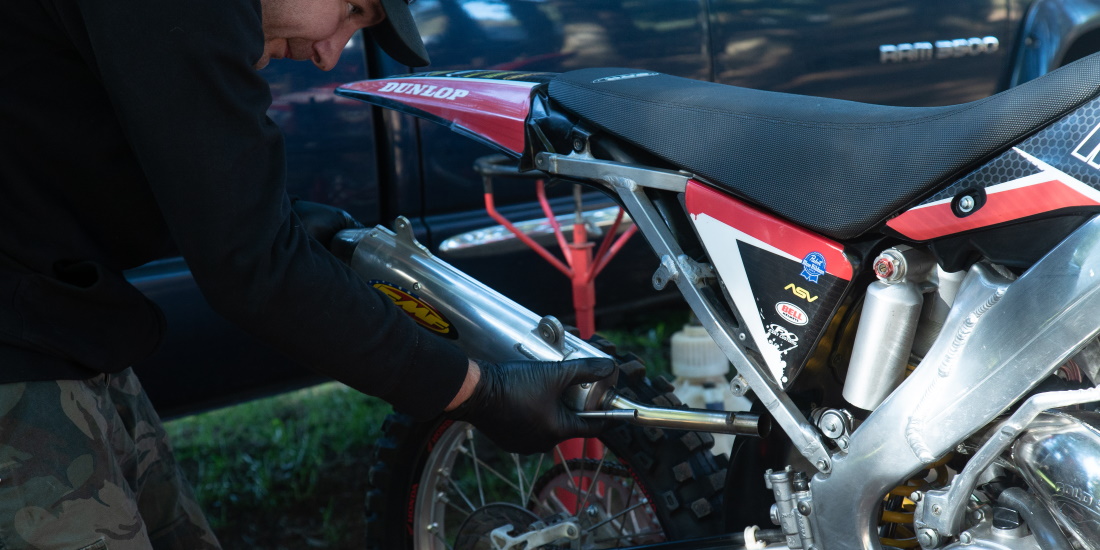
Choose a billet (screw‑in) end cap for easy, removable installation and slightly sharper tone, or a weld‑on end cap for a permanent, rattle‑free seal—welds are best done by a professional.
What materials and finishes should I pick for my riding conditions?
Stainless steel is the standard choice, with a higher‑corrosion stainless recommended for coastal or salty conditions; chrome gives a high shine but needs regular care, black coatings offer a stealth look and heat resistance, and carbon fiber provides a premium lightweight finish that requires UV/abrasion protection.
Which cut style is best for cruiser riding and luggage clearance?
Straight‑cut end caps give a classic, symmetrical look with cleaner exhaust flow for highway duty, while slash‑cut end caps provide an aggressive angle that directs gases away from the rider—check saddlebag and clearance needs before choosing slash‑cut.
How much will an end cap change sound or interact with other exhaust mods?
End caps produce only subtle sound differences and do not yield meaningful power gains on their own; for notable tonal or performance changes pair them with baffles or a full exhaust system and ensure proper sealing and alignment during installation.