Begin typing to search, when autocomplete results are available use up and down arrows to review and enter to select. Selecting an options will take you to a new page. Touch device users, explore by touch.SEARCH
Search within a riding style, select an optionBegin typing to search, when autocomplete results are available use up and down arrows to review and enter to select. Selecting an options will take you to a new page. Touch device users, explore by touch.
Free shipping on orders over $79 to Illinois
Orders over $79.00 will receive free shipping. This is a residential delivery service, deliveries Monday through Friday from 9:00am to 8:00pm.
What should I prioritize when choosing 4‑stroke baffles and inserts for cruiser exhausts?
Prioritize compatibility with your exhaust model, your primary riding style, desired sound level, and material durability to ensure proper fit, backpressure, and performance; confirm dimensions, O2 sensor clearance, and installation type before buying.
Which materials and construction details provide the best durability for cruiser baffles and inserts?
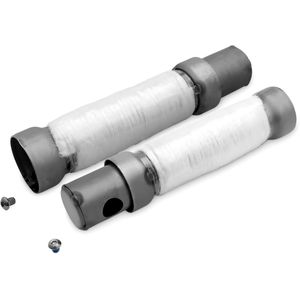
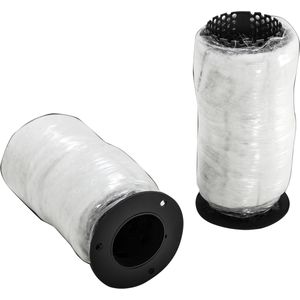
Choose stainless steel with welded seams and, if available, ceramic heat coatings for corrosion and heat resistance, and prefer ceramic-packed cores for longer life or fiberglass-wrapped packing for balanced sound and easier periodic replacement.
How does perforation pattern and core design affect sound and riding performance?
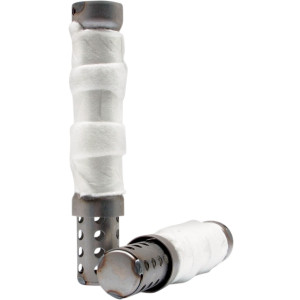
Denser, smaller perforations and packed cores tame higher-frequency noise and preserve low‑end torque, while larger holes or straight‑through cores increase flow and produce a louder, more aggressive tone at the cost of possible low‑RPM torque loss and more drone.
Which baffle or insert types work best for common cruiser riding styles like commuting, touring, or spirited open‑road riding?
For city commuting and touring choose quiet or fiberglass‑packed inserts to reduce drone and preserve torque; for more aggressive open‑road performance select lower‑restriction cores for freer flow and tone but be aware of increased noise, potential torque tradeoffs, and local sound rules.
What should I consider for installation, maintenance, and compatibility with fuel‑injected cruiser systems?
Opt for slip‑in or bolt‑in and removable cores for easy tuning and service, verify O2 sensor and catalytic clearances to avoid ECU issues, and plan to inspect packing periodically—replace fiberglass every so often or choose ceramic packing for longer intervals.