Begin typing to search, when autocomplete results are available use up and down arrows to review and enter to select. Selecting an options will take you to a new page. Touch device users, explore by touch.SEARCH
Search within a riding style, select an optionBegin typing to search, when autocomplete results are available use up and down arrows to review and enter to select. Selecting an options will take you to a new page. Touch device users, explore by touch.
Free shipping on orders over $79 to Illinois
Orders over $79.00 will receive free shipping. This is a residential delivery service, deliveries Monday through Friday from 9:00am to 8:00pm.
What should I prioritize when choosing an ATV radiator for use on a motorcycle?
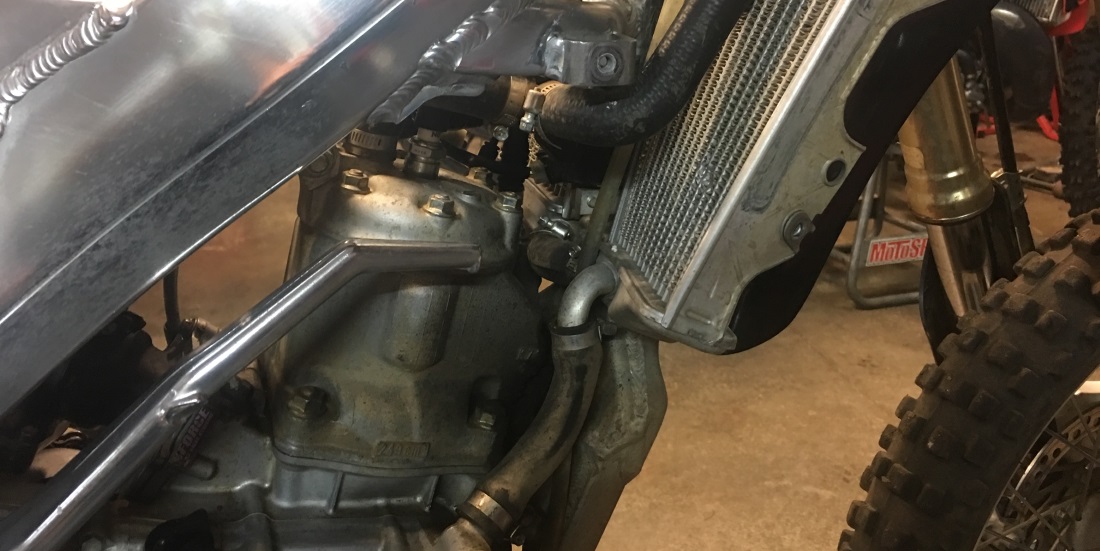
Prioritize compatibility with your bike’s make and model, aluminum construction for lightweight durability and corrosion resistance, and cooling features matched to your riding style; many ATV radiators can adapt to similar liquid‑cooled motorcycles but double‑check mounting and hose positions.
Why choose an aluminum radiator over other materials?
Aluminum radiators offer superior heat dissipation, low weight, and corrosion resistance for modern bikes and ATVs, while heavier materials like copper are typically only appropriate for matching certain vintage setups.
How do core size, fin density, and flow design affect cooling performance?
Larger cores and higher fin density increase heat transfer and coolant capacity, thicker cores help in extreme conditions, and cross‑flow designs generally handle high‑performance pressure and airflow demands better than down‑flow layouts.
Which radiator features matter most for off‑road, muddy, or low‑speed riding?
Look for debris guards, protective coatings, reinforced welds, and relocate‑kit compatibility to elevate the radiator for better airflow and damage protection in mud, water, and slow‑speed conditions.
What installation and maintenance steps extend radiator life and support performance upgrades?
Ensure proper alignment and hose routing, allow adequate airflow when relocating, use an appropriate OAT coolant for aluminum systems, and routinely clean fins and inspect guards and welds after hard use or engine modifications.