Begin typing to search, when autocomplete results are available use up and down arrows to review and enter to select. Selecting an options will take you to a new page. Touch device users, explore by touch.SEARCH
Search within a riding style, select an optionBegin typing to search, when autocomplete results are available use up and down arrows to review and enter to select. Selecting an options will take you to a new page. Touch device users, explore by touch.
Free shipping on orders over $79 to Illinois
Orders over $79.00 will receive free shipping. This is a residential delivery service, deliveries Monday through Friday from 9:00am to 8:00pm.
How do I choose the right ATV oil viscosity and type for my riding?
Start with your owner’s manual, then match viscosity to climate and load (10W-40 for temperate trails, 15W-50 for hotter/heavier use, 20W-50 for high heat/older big engines). Pick mineral for budget/regular use, semi-synthetic for balanced durability, or full synthetic for sustained heat and hard riding.
Which oil certifications matter for ATVs with wet clutches?
Look for JASO MA or MA2 to avoid clutch slip and API SL (or newer) for engine protection. These ensure proper friction and performance under off-road heat and load.
What’s included in ATV oil change kits, and what should I verify before buying?
Kits typically include engine oil, an oil filter, and fresh O-rings/crush washer. Verify total oil quantity, the filter style your engine uses, and wet‑clutch‑safe certifications match your manual.
Can these ATV oil change kits be used on other rides like motorcycles or UTVs?
They’re ATV-focused; some 4‑stroke oils and filters overlap, but only use them elsewhere if your manual’s viscosity, JASO rating, capacity, and component style match. Bikes with shared engine/transmission sumps may need different specs, so cross-check carefully.
Any install and maintenance tips to get the most from an ATV oil change?
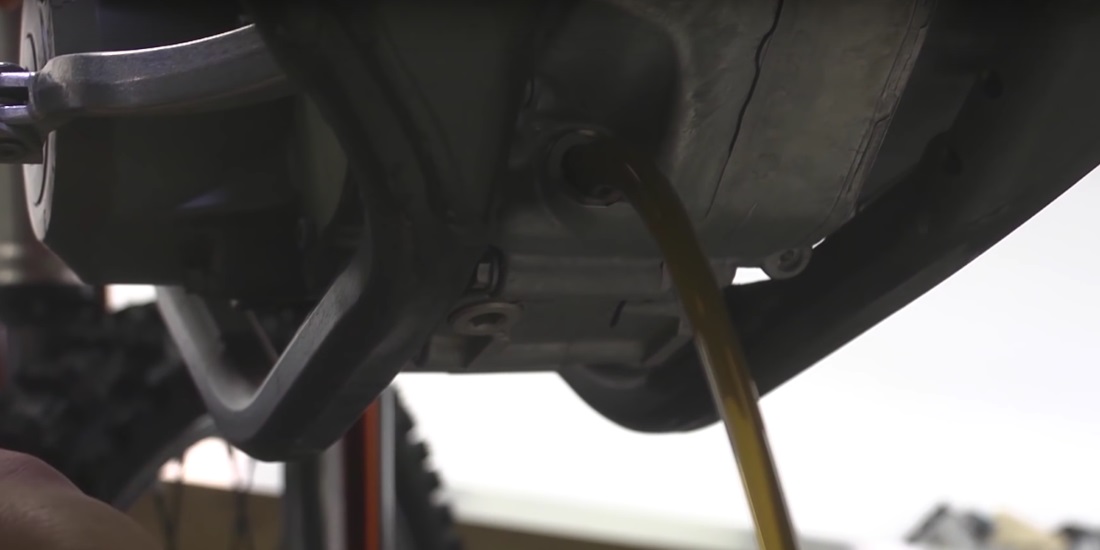
Warm the engine, replace the crush washer, lightly oil the filter seal, and avoid over‑tightening; dispose of used oil properly. Afterward, run the engine, recheck the level, and inspect for leaks; follow your manual’s interval based on dust, heat, and workload.