Begin typing to search, when autocomplete results are available use up and down arrows to review and enter to select. Selecting an options will take you to a new page. Touch device users, explore by touch.SEARCH
Search within a riding style, select an optionBegin typing to search, when autocomplete results are available use up and down arrows to review and enter to select. Selecting an options will take you to a new page. Touch device users, explore by touch.
Free shipping on orders over $79 to Illinois
Orders over $79.00 will receive free shipping. This is a residential delivery service, deliveries Monday through Friday from 9:00am to 8:00pm.
Which vehicle types are master links designed for?
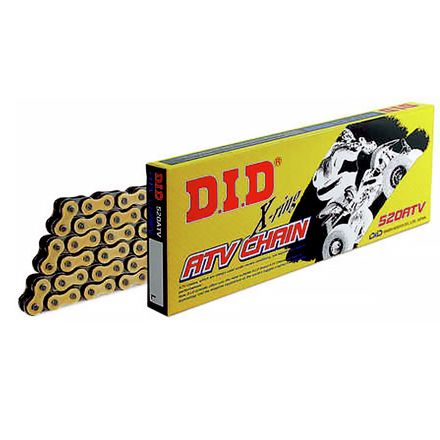
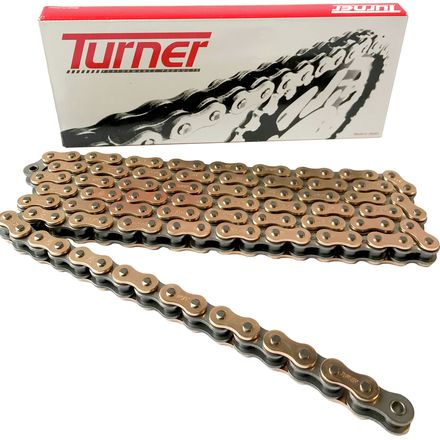
Master links are made primarily for ATVs and UTVs but can also suit dirt and adventure bikes when chain pitch and clip type match; check your owner’s manual for exact chain specs before purchasing.
Rivet vs. clip-style — which should I choose?
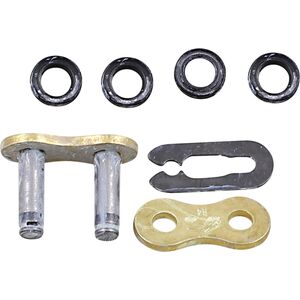
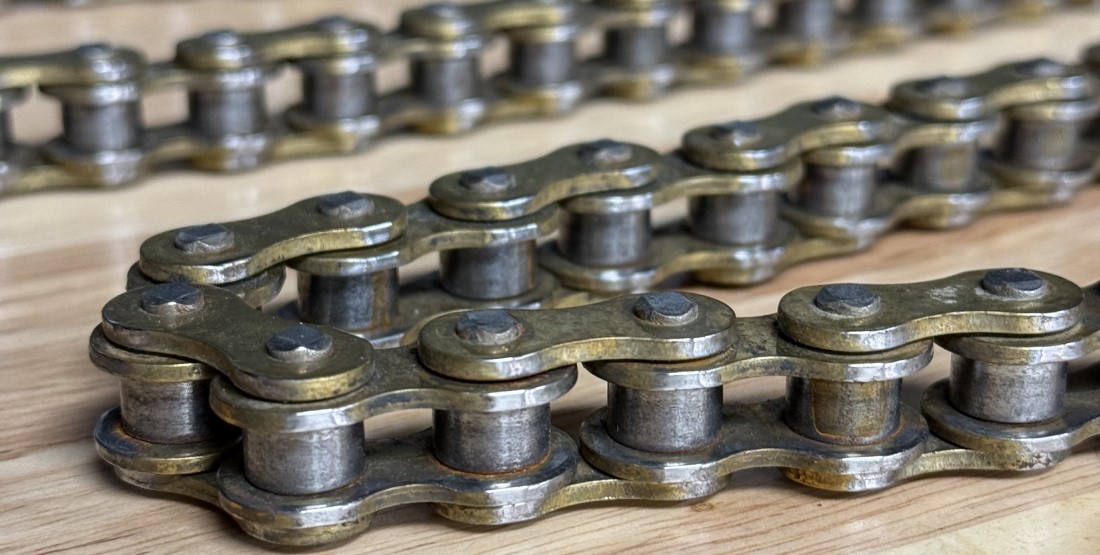
Rivet-style links offer a permanent, heavy-duty connection for towing and rough terrain, while clip-style links are lighter and allow quick trailside repairs—pick based on load demands and whether roadside serviceability matters.
What materials, seals, and finishes work best for different terrain and weather?
Choose sealed links with corrosion-resistant materials or coatings for wet and muddy conditions, use non-sealed clip links for easy cleaning in dry or sandy environments, and favor protective finishes to extend service life in all conditions.
How should ATV and UTV riders pick master links for utility versus recreational use?
Utility and UTV riders should prioritize heavy-duty, sealed rivet links with robust finishes for hauling and heavy use, while recreational riders can opt for lighter links that balance durability with easier maintenance.
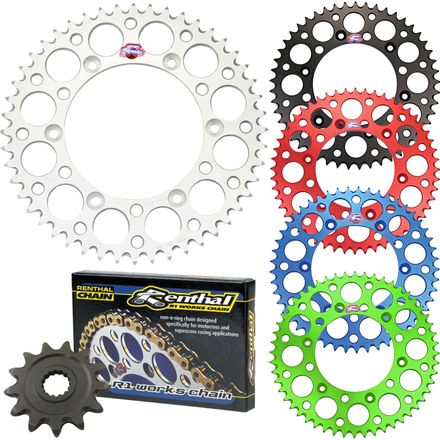
What should I prioritize when selecting aftermarket master links for motorcycles and ATVs?
Focus on matching chain pitch and length, choosing the right link type and sealing, and selecting durable alloys or coatings; ensure proper alignment and clearance at install, plan regular inspections and lubrication, and pick options compatible with common drivetrain changes.