Begin typing to search, when autocomplete results are available use up and down arrows to review and enter to select. Selecting an options will take you to a new page. Touch device users, explore by touch.SEARCH
Search within a riding style, select an optionBegin typing to search, when autocomplete results are available use up and down arrows to review and enter to select. Selecting an options will take you to a new page. Touch device users, explore by touch.
Free shipping on orders over $79 to Illinois
Orders over $79.00 will receive free shipping. This is a residential delivery service, deliveries Monday through Friday from 9:00am to 8:00pm.
How should ATV riders choose helmet accessories for their terrain and weather?
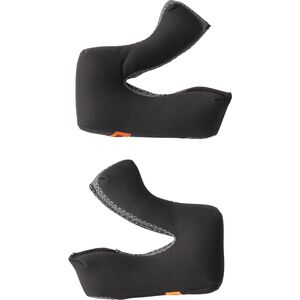
Match to your ride and conditions: for rough, dusty trails choose peak visors, extended cheek pads, and high-vent kits; for mud, rain, or humidity prioritize anti-fog visor inserts and sealed vents; for long mixed days, consider modular/sun-visor options for changing light.
How do I confirm cheek pads, liners, or visors are compatible with my helmet?
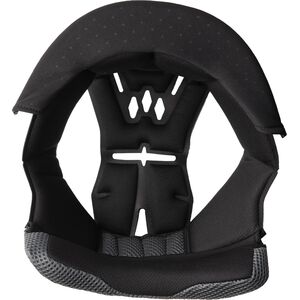
Match accessories to your helmet’s shell material and head-shape profile to avoid pressure points or looseness, and ensure fastening systems align; after install, check for a snug, no-shift fit and verify the setup doesn’t compromise DOT/ECE/Snell compliance.
Which visor features work best for ATV dust, mud, glare, and humidity?
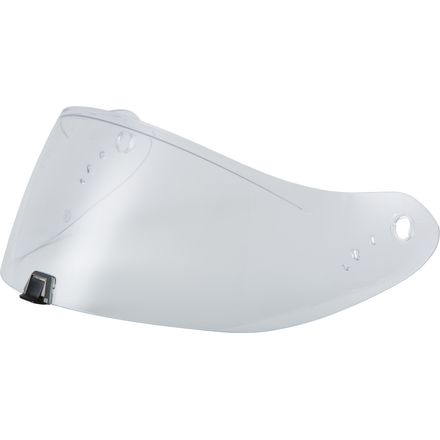
Use Pinlock-style anti-fog inserts or anti-fog shields for moisture, peak visors for roost and sun angle, and retractable sun visors or tinted options for variable light—choose quick-change designs if you ride from dawn to dusk.
What ventilation and padding upgrades improve off-road comfort and control?
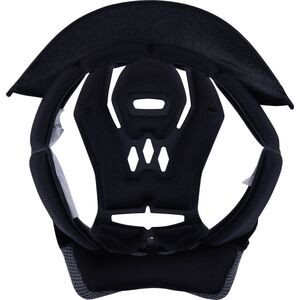
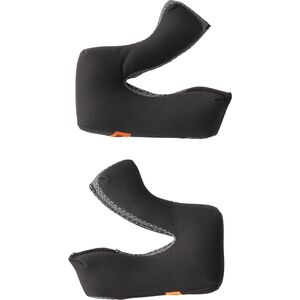
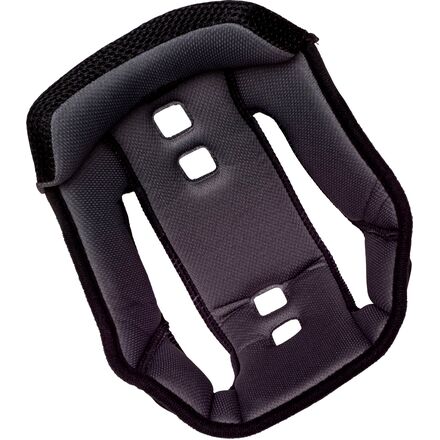
Adjustable intake/extractor vents and foam kits boost airflow to reduce heat buildup, while swappable cheek pads and liners fine-tune stability and comfort over whoops and ruts; prioritize washable, replaceable interiors for easy upkeep.
Are these accessories easy to install and maintain for ATV use?
Most visors, pads, and vent covers install with simple snaps or screws—align seals, confirm strap hardware (Double D for aggressive riding or micrometric for easy touring use), then recheck for movement after a short shake test; wash removable liners regularly and replace components after any impact or at set service intervals.