Begin typing to search, when autocomplete results are available use up and down arrows to review and enter to select. Selecting an options will take you to a new page. Touch device users, explore by touch.SEARCH
Search within a riding style, select an optionBegin typing to search, when autocomplete results are available use up and down arrows to review and enter to select. Selecting an options will take you to a new page. Touch device users, explore by touch.
Free shipping on orders over $79 to Illinois
Orders over $79.00 will receive free shipping. This is a residential delivery service, deliveries Monday through Friday from 9:00am to 8:00pm.
Which ATV heat barrier material should I choose for trails, mud, and water?
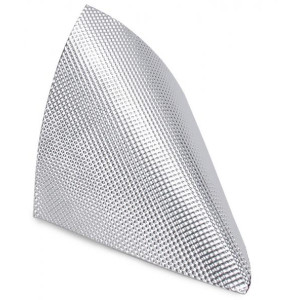
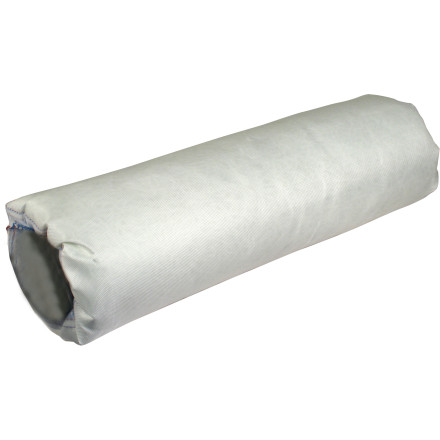
For heavy off‑road use, pick abrasion‑ and fluid‑resistant options like silicone‑coated fabric shields or flexible braided sleeves; for broad radiant protection, foil‑coated fiberglass or aluminum‑backed blankets work well, while ceramic wraps keep exhaust heat inside the pipe but need extra care in wet conditions.
What areas on an ATV benefit most from heat shielding?
Prioritize zones near headers, mid‑pipe, and the muffler, plus inner fenders, footwells, side panels, and storage areas to protect plastics and riders from radiant heat.
What’s the easiest ATV heat barrier style to install at home?
Peel‑and‑stick foil/fiberglass sheets and Velcro‑backed blankets are quick to place, while clamp‑on shields fit pipes cleanly; avoid makeshift zip‑ties and confirm hardware is secure.
How do I avoid interference with other mods or moving parts after installing heat barriers?
Maintain clearances around suspension travel, driveline, brakes, and foot controls, and verify shields don’t contact skid plates or aftermarket exhausts through the full range of motion.
How should I care for ATV heat barriers after muddy or wet rides?
Rinse off debris, let components dry, recheck clamps/adhesives, and inspect wraps or sleeves for trapped moisture or abrasion so they continue to perform and protect nearby plastics.