Begin typing to search, when autocomplete results are available use up and down arrows to review and enter to select. Selecting an options will take you to a new page. Touch device users, explore by touch.SEARCH
Search within a riding style, select an optionBegin typing to search, when autocomplete results are available use up and down arrows to review and enter to select. Selecting an options will take you to a new page. Touch device users, explore by touch.
Free shipping on orders over $79 to Illinois
Orders over $79.00 will receive free shipping. This is a residential delivery service, deliveries Monday through Friday from 9:00am to 8:00pm.
Why choose a CE Level 2 back protector for ATV riding?
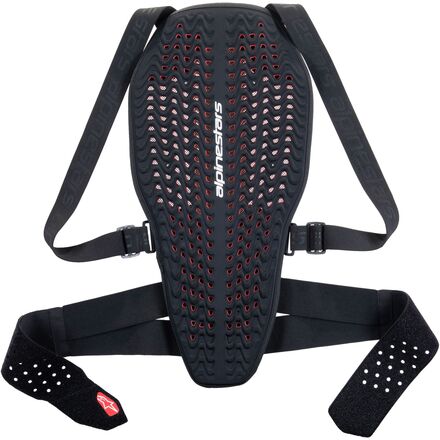
CE Level 2 protectors (EN 1621-2:2014) transmit very low impact force and are the top choice for higher‑risk riding; look for compatible insertable materials like D3O or SAS‑TEC and prioritize anatomical coverage, pocket compatibility, and breathability for long rides.
How do viscoelastic inserts compare with multi‑layer or hard‑shell back protectors for off‑road use?
Viscoelastic inserts such as D3O excel at absorbing repeated impacts, while multi‑layer or hard‑shell designs add puncture and angled‑impact resistance—choose based on terrain, debris risk, and riding speed.
How should I check fit and pocket compatibility before buying an ATV back protector?
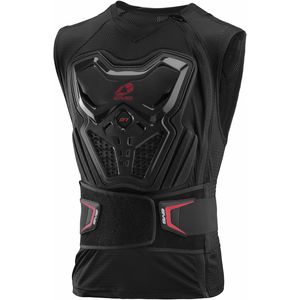
Verify the protector’s shape covers from upper thoracic to lower lumbar, match the protector thickness and contour to your jacket pocket depth, and opt for a slim, ventilated profile or a wearable vest if your jacket has no suitable pocket.
What features matter most for ATV back protectors used on rough trails and in variable weather?
Seek CE Level 2 protection with temperature‑performance markings (TT) when available, ventilation and flexibility for comfort, and hard‑shell or multi‑layer elements if sharp debris is likely; inspect for damage and follow care guidance to maintain performance.
Can I upgrade my jacket with an aftermarket back insert and what should I watch for?
Yes—choose an EN 1621-2 certified insert at the desired protection level, ensure pocket shape and depth accommodate the insert without restricting movement, confirm alignment and clearances inside the jacket, and pick materials suited to your typical terrain while keeping up regular inspections.