Begin typing to search, when autocomplete results are available use up and down arrows to review and enter to select. Selecting an options will take you to a new page. Touch device users, explore by touch.SEARCH
Search within a riding style, select an optionBegin typing to search, when autocomplete results are available use up and down arrows to review and enter to select. Selecting an options will take you to a new page. Touch device users, explore by touch.
Free shipping on orders over $79 to Illinois
Orders over $79.00 will receive free shipping. This is a residential delivery service, deliveries Monday through Friday from 9:00am to 8:00pm.
How do I choose the right brake bleeder for my motorcycle's brake system?
Match the bleeder to your bike’s brake configuration and bleeder nipple type, pick a bleeding method (vacuum, reverse, or syringe) that fits your service goals, and confirm reservoir access and caliper compatibility before purchase.
What bleeding methods are available and which is best for a complete fluid change?
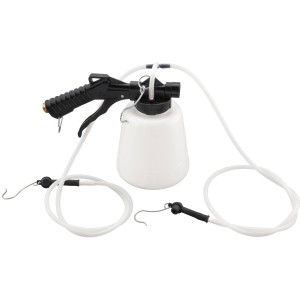
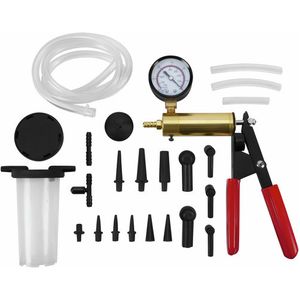
Vacuum systems draw old fluid out for full replacements, reverse-bleeding pushes fluid toward the master cylinder to reduce trapped air, and syringe-style adapters offer precise manual control—select the method that balances thoroughness and cleanliness for your needs.
Which features speed setup and minimize mess during bleeding?
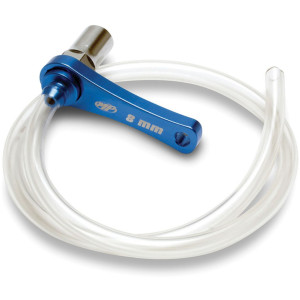
Quick-connect fittings, a generous collection bottle, clear tubing, and secure seals make setup faster and reduce spills, so prioritize kits designed for quick hookup and tidy operation.
What materials and construction should I look for if I ride in wet or off-road conditions?
Choose corrosion-resistant fittings, reinforced hoses, and durable seals that withstand mud and moisture, and favor rugged connectors and easy-to-clean components for frequent field use.
How should I maintain a bleeder kit to keep it reliable over time?
Rinse and dry components after use, replace worn seals or disposable parts, store hoses coiled away from sunlight, and inspect connectors and tubing regularly to prevent leaks and contamination.