Begin typing to search, when autocomplete results are available use up and down arrows to review and enter to select. Selecting an options will take you to a new page. Touch device users, explore by touch.SEARCH
Search within a riding style, select an optionBegin typing to search, when autocomplete results are available use up and down arrows to review and enter to select. Selecting an options will take you to a new page. Touch device users, explore by touch.
Free shipping on orders over $79 to Illinois
Orders over $79.00 will receive free shipping. This is a residential delivery service, deliveries Monday through Friday from 9:00am to 8:00pm.
How do I choose the right front brake pad compound for my bike and riding conditions?
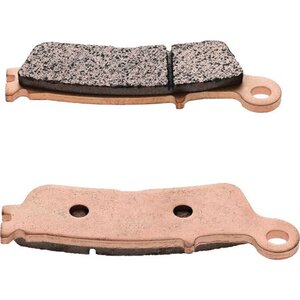
Match your motorcycle type, riding style, terrain, weather, and desired traits—braking power, initial bite, fade resistance, noise, dust, and longevity—to the compound: organic for smooth, quiet light use; sintered for high power and wet/off‑road durability; and semi‑sintered for a balanced feel, while confirming compatibility with your calipers, rotors, and piston setup.
Which pad compound works best in wet or cold weather?
Sintered and semi‑sintered compounds maintain friction in rain and cold thanks to water‑channeling designs, while organic pads tend to lose effectiveness in wet climates.
What trade-offs should I expect between noise, dust, and pad/rotor wear?
Organic pads are the quietest and lowest‑dust but wear faster, sintered pads offer the longest life and highest stopping power yet can be noisier and more abrasive to rotors, and semi‑sintered options balance noise, dust, and rotor friendliness.
How should I inspect and maintain front brake pads to maximize life and safety?
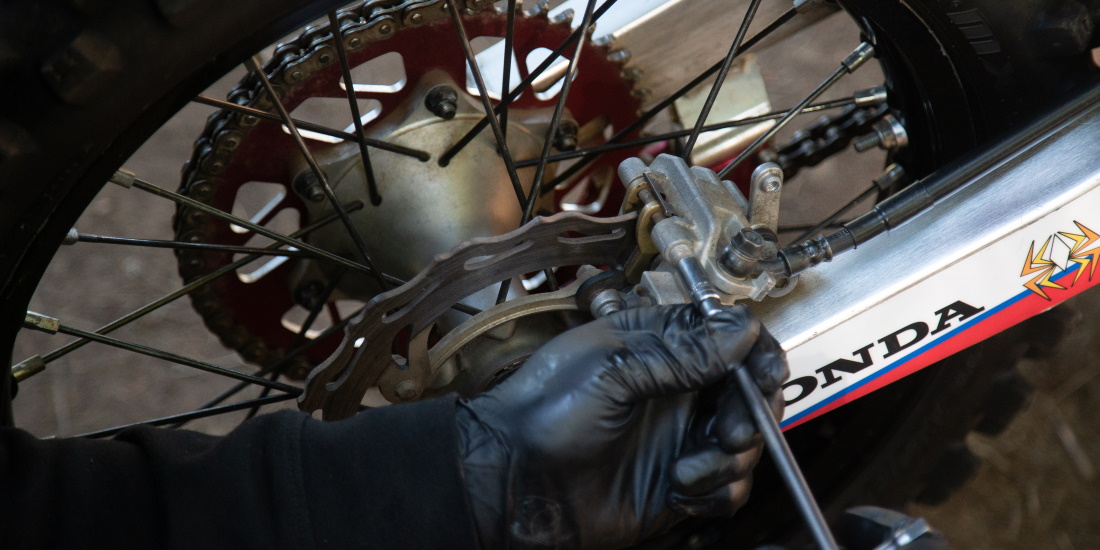
Regularly check remaining pad material, evenness of wear, rotor surface condition, and keep contaminants off braking surfaces; bed in new pads properly and replace pads if glazing, uneven wear, or reduced bite appear.
How do common braking upgrades affect pad selection and performance?
Upgrades like multi‑piston calipers, larger rotors, or braided lines change braking feel and heat load, so choose a compound that matches the increased performance and heat tolerance and ensure pad compatibility with rotor material and caliper piston setup, plus continue proper bedding and inspections.