Begin typing to search, when autocomplete results are available use up and down arrows to review and enter to select. Selecting an options will take you to a new page. Touch device users, explore by touch.SEARCH
Search within a riding style, select an optionBegin typing to search, when autocomplete results are available use up and down arrows to review and enter to select. Selecting an options will take you to a new page. Touch device users, explore by touch.
Free shipping on orders over $79 to Illinois
Orders over $79.00 will receive free shipping. This is a residential delivery service, deliveries Monday through Friday from 9:00am to 8:00pm.
How do I choose a brake bleeder that works with my cruiser’s brake system?
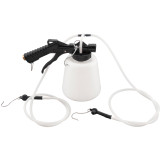
Prioritize compatibility with your cruiser’s hydraulic brake system, confirm the bleeder supports your bike’s specified brake fluid type (for example DOT 4 or DOT 5.1 glycol-based), and pick kits with corrosion-resistant materials and adapters that match standard caliper bleeder screws.
Which bleeding method is best for solo cruiser maintenance?
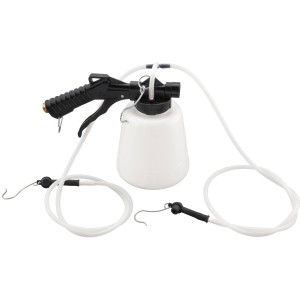
For solo cruiser work, vacuum-style kits are ideal because they let one person pull air and old fluid without a helper; reverse bleeding works for flushing new braided lines but requires thorough cleaning to avoid fluid contamination.
What key components should a cruiser brake bleeder kit include?
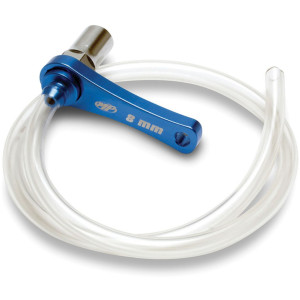
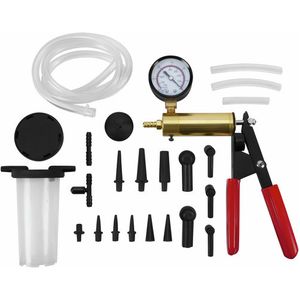
Choose kits that include a reliable pump (hand or electric), clear silicone tubing sized to fit bleeder screws, a plastic catch reservoir, a set of bleeder adapters and wrenches, and securing ties to prevent leaks, all in corrosion- and chemical-resistant materials.
How does riding in wet or humid conditions change my bleed schedule for a cruiser?
Compatibility first: if your cruiser sees wet or humid riding, plan more frequent bleeds since moisture can contaminate glycol-based fluid and cause a spongy lever; watch fluid clarity, lever feel, and any leaks as cues to service.
For riders upgrading or customizing, what materials and maintenance should I look for in aftermarket bleeders?
Confirm the tool suits your cruiser’s brake system, then favor chemical-resistant plastics, stainless or coated metal fittings, durable seals, and easily cleaned hoses; regular inspection of hoses, adapters, and fluid cleanliness will extend service life and reliability.