Begin typing to search, when autocomplete results are available use up and down arrows to review and enter to select. Selecting an options will take you to a new page. Touch device users, explore by touch.SEARCH
Search within a riding style, select an optionBegin typing to search, when autocomplete results are available use up and down arrows to review and enter to select. Selecting an options will take you to a new page. Touch device users, explore by touch.
Free shipping on orders over $79 to Illinois
Orders over $79.00 will receive free shipping. This is a residential delivery service, deliveries Monday through Friday from 9:00am to 8:00pm.
How should utility riders pick a portable battery or jump starter for off-road use?
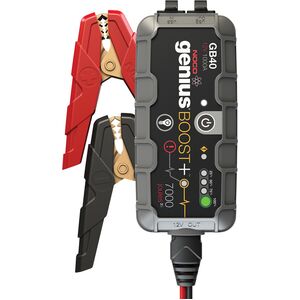
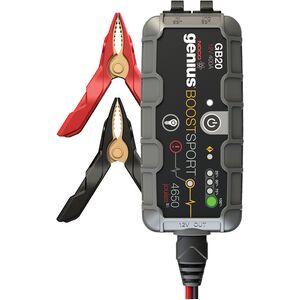
Start with your manual or a battery finder to match size, terminals, voltage, and target CCA for your climate; then choose capacity based on accessories and trip length. For rough terrain, prioritize sealed, vibration‑resistant options (AGM or lithium), and for jump starters, look for adequate peak current and durable clamps with device‑charging ports.
Which battery type is best for ATVs/UTVs: AGM, lithium, gel, or flooded?
AGM is the most versatile off‑road choice thanks to sealed construction, shock resistance, and quick recharge. Lithium saves the most weight and cranks fast if your charging system and electronics are compatible, while gel and flooded suit smoother use, with gel being sealed but slower to recharge and flooded requiring more maintenance.
What specs should I prioritize for cold starts, heat, or wet conditions?
Cold weather favors higher CCA and chemistries that deliver strong cranking (AGM or lithium). High heat and long idling lean toward thermally stable, sealed designs like AGM or gel, and for water, mud, or spills, stick with sealed batteries.
Any installation and maintenance tips to maximize life on rough terrain?
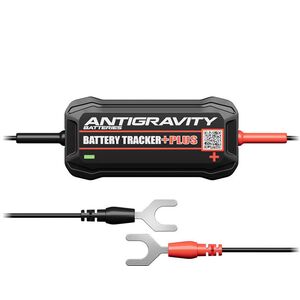
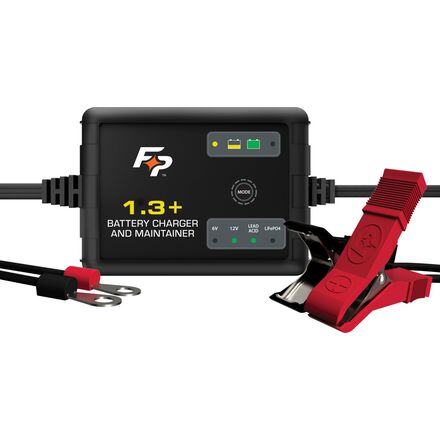
Confirm case dimensions and terminal orientation, mount the battery snugly to prevent vibration damage, and use a charger that matches the chemistry (lithium requires a compatible charger). Periodically verify a healthy resting voltage and tighten connections after rides.
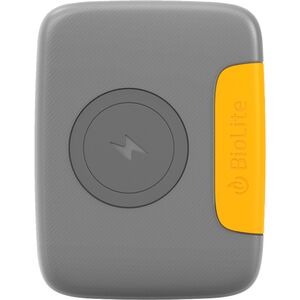
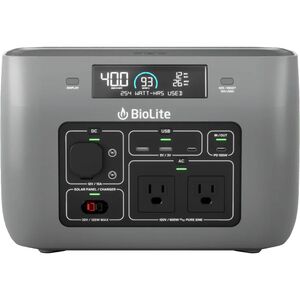
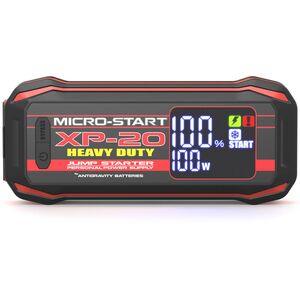
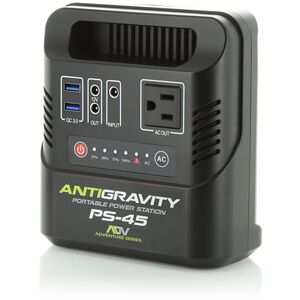
What should I look for in a portable jump starter or power bank for trail use?
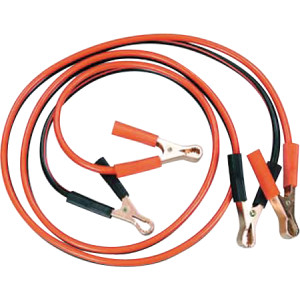
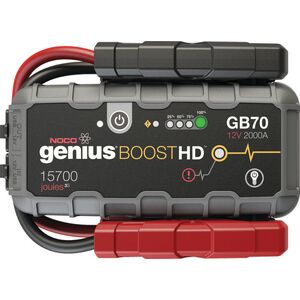
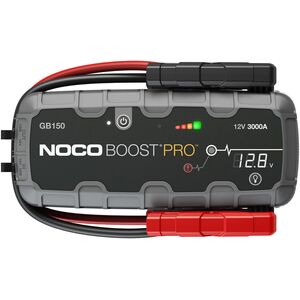
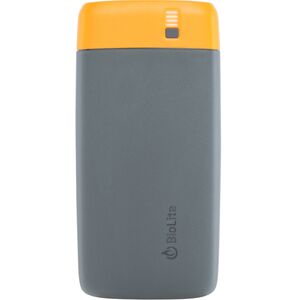
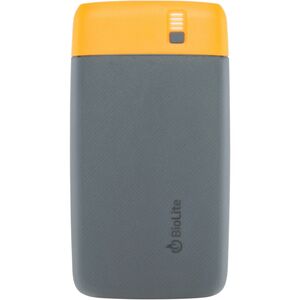
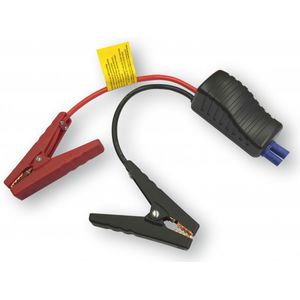
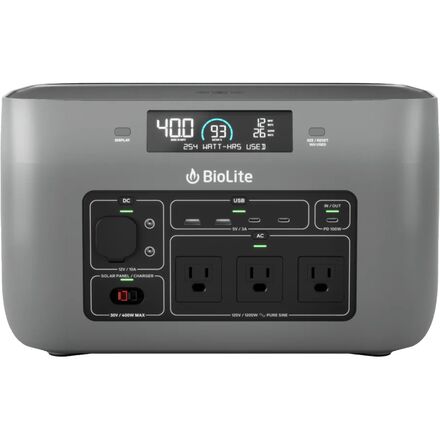
Choose a unit with peak output appropriate for your engine, rugged clamps with safety protections, and the ports you need to charge devices. Keep it topped up, store it in a protective case, and check cable accessibility for quick use in the field.