Begin typing to search, when autocomplete results are available use up and down arrows to review and enter to select. Selecting an options will take you to a new page. Touch device users, explore by touch.SEARCH
Search within a riding style, select an optionBegin typing to search, when autocomplete results are available use up and down arrows to review and enter to select. Selecting an options will take you to a new page. Touch device users, explore by touch.
Free shipping on orders over $79 to Illinois
Orders over $79.00 will receive free shipping. This is a residential delivery service, deliveries Monday through Friday from 9:00am to 8:00pm.
Which fuel line materials should I consider for motorcycles?
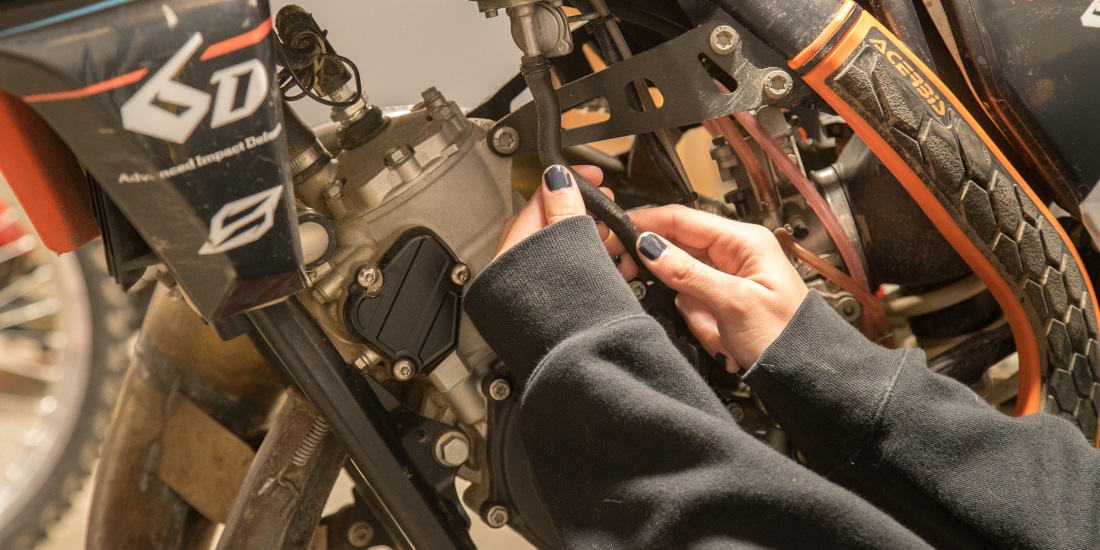
Choose ethanol-resistant hoses as a baseline; PTFE-lined braided hose for high-heat/high-pressure use, Tygon-style tubing for low-pressure carbureted systems, and ethanol-rated nitrile for flexible OEM-style routing—avoid clear PVC or unmarked vinyl.
How do I choose between hoses for low-pressure versus high-pressure fuel systems?
Use flexible ethanol-rated tubing for low-pressure carbureted setups and PTFE-lined braided hose with matching high-pressure fittings for fuel-injected or forced-induction systems; always match the hose’s pressure rating and fittings to the system.
What should I look for when riding in hot or corrosive environments?
Select PTFE-lined braided hoses and stainless fittings near exhausts or hot engine areas, and choose hoses explicitly rated for ethanol, methanol, or high-corrosivity fuels with corrosion-resistant clamps.
Which fuel lines work best for off-road and high-vibration use?
Braided PTFE hose with stainless steel fittings offers superior abrasion and vibration resistance for off-road conditions; prioritize secure routing, vibration-resistant clamps, and durable protective coverings.
What are the key installation and maintenance tips to maximize fuel-line life?
Ensure hose and fittings are fully compatible, route lines away from heat and sharp edges, use corrosion-resistant clamps, and inspect regularly for hardening, swelling, or leaks—replace any hose that shows deterioration.