Begin typing to search, when autocomplete results are available use up and down arrows to review and enter to select. Selecting an options will take you to a new page. Touch device users, explore by touch.SEARCH
Search within a riding style, select an optionBegin typing to search, when autocomplete results are available use up and down arrows to review and enter to select. Selecting an options will take you to a new page. Touch device users, explore by touch.
Free shipping on orders over $79 to Illinois
Orders over $79.00 will receive free shipping. This is a residential delivery service, deliveries Monday through Friday from 9:00am to 8:00pm.
How should I choose hoses for a cruiser’s fuel and cooling systems?
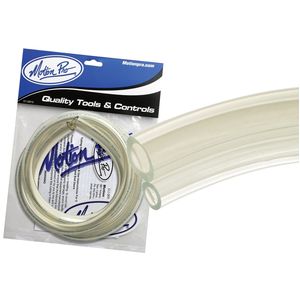
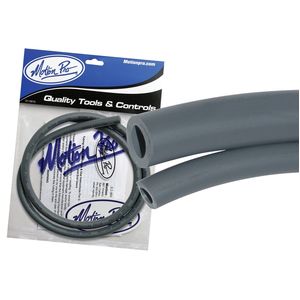
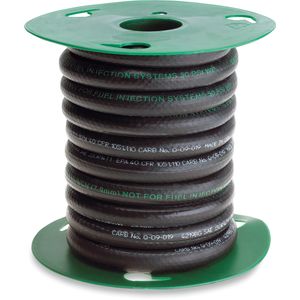
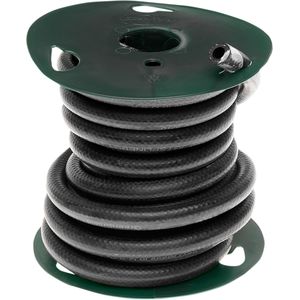
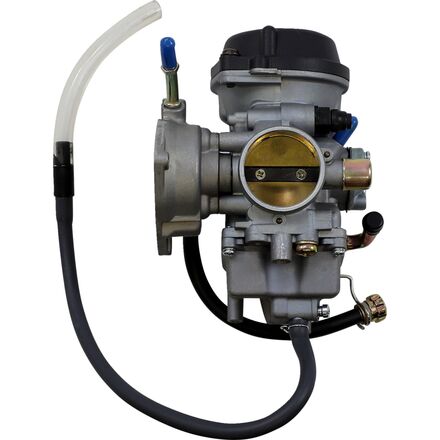
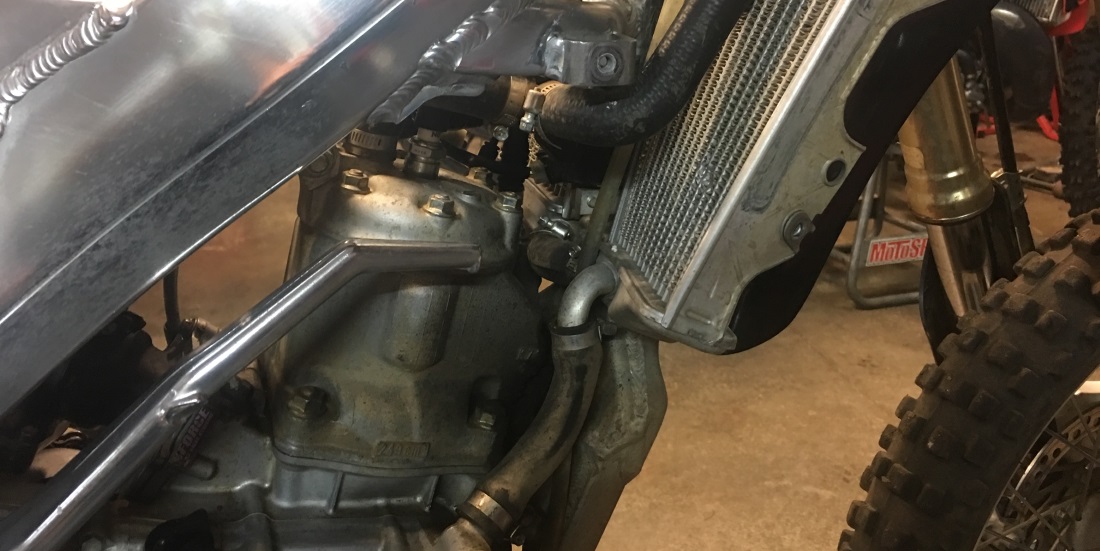
Match the hose to your fuel type (including ethanol blends), system pressure (carb vs. fuel injection), and exposure to heat, UV, and abrasion. For fuel lines, opt for SAE-rated hose that suits your setup; for coolant, use heat- and ozone-resistant constructions with quality clamps.
What’s the right hose for ethanol-blended gasoline on a cruiser?
Use SAE J30R9 or PTFE-lined hose for strong resistance to alcohol, heat, and vapor permeation. Avoid J30R7 and non-PTFE braided options with ethanol fuels.
When should I step up to braided or PTFE-lined fuel hose?
Choose braided or PTFE-lined hose when routing near heat, needing extra abrasion protection, running performance builds, or using aggressive fuels. PTFE offers maximum chemical and vapor resistance but requires compatible fittings and is less flexible.
Which tools and hardware help with clean, leak-free hose installs?
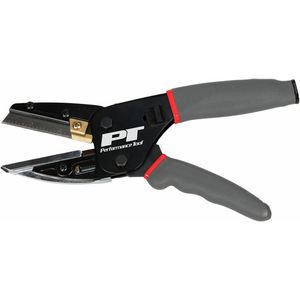
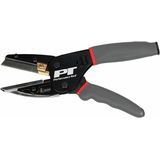
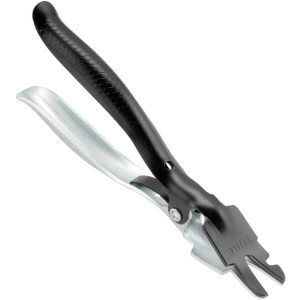
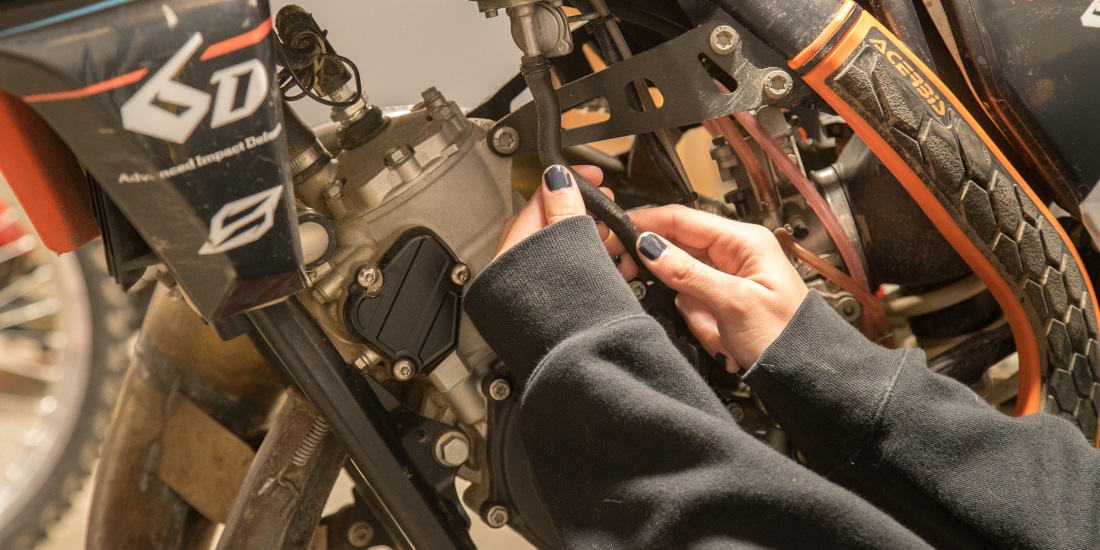
Hose cutters, clamp pliers, and removal picks make precise cuts and non-damaging installs, while fuel-rated clamps and heat shields reduce leaks and chafing. Match fittings to the hose type—especially PTFE—and confirm secure seating before pressurizing.
Any routing and maintenance tips for street cruising and touring?
Route away from exhaust and sharp edges, add abrasion sleeves or braided covers where exposed, and allow gentle slack for vibration. Inspect regularly for cracks, soft spots, or fuel odor, use fuel-rated clamps, and avoid submersible-only hose outside the tank.