Begin typing to search, when autocomplete results are available use up and down arrows to review and enter to select. Selecting an options will take you to a new page. Touch device users, explore by touch.SEARCH
Search within a riding style, select an optionBegin typing to search, when autocomplete results are available use up and down arrows to review and enter to select. Selecting an options will take you to a new page. Touch device users, explore by touch.
Free shipping on orders over $79 to Illinois
Orders over $79.00 will receive free shipping. This is a residential delivery service, deliveries Monday through Friday from 9:00am to 8:00pm.
How do I choose the right ATV fuel pump for my riding style and terrain?
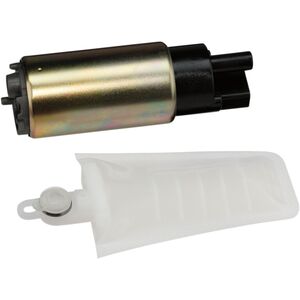
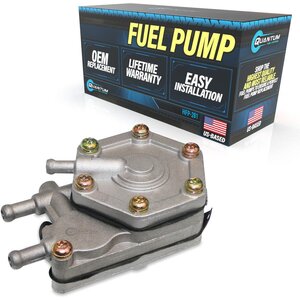
Match the pump type to your engine (electric for EFI, mechanical where applicable), then prioritize rugged, vibration-resistant construction for off‑road use and quieter operation if you value low noise. Check whether you need an in‑tank or inline design and ensure connectors and hose routing suit your setup.
How do performance mods change the fuel pump I should pick for my ATV?
Use your peak horsepower and a BSFC estimate to gauge the flow you need, then select a pump that maintains stable pressure under load. Tuned engines, big‑bores, or forced induction benefit from higher-capacity electric pumps with robust wiring and filtration.
What should I consider about fuel compatibility, including ethanol blends?
Choose a pump rated for your fuel type—gasoline or ethanol blends—and look for ethanol‑resistant seals and internals to prevent corrosion. Running higher‑ethanol fuels requires more flow, so confirm the pump’s capacity and materials match your plan.
Which durability features matter for harsh ATV conditions?
Look for corrosion‑resistant housings and ethanol‑safe seals, plus strainers and filters designed for muddy, wet environments. Off‑road riders should favor pumps tested for vibration and impact, with warranties and reviews to back long‑term reliability.
What should I check before installing an ATV fuel pump?
Confirm in‑tank vs inline configuration, electrical connectors, and hose sizes, then replace the strainer/filter and inspect gaskets to prevent leaks. After installation, prime the system, verify smooth startup, and recheck for seepage after your first rough ride.