Begin typing to search, when autocomplete results are available use up and down arrows to review and enter to select. Selecting an options will take you to a new page. Touch device users, explore by touch.SEARCH
Search within a riding style, select an optionBegin typing to search, when autocomplete results are available use up and down arrows to review and enter to select. Selecting an options will take you to a new page. Touch device users, explore by touch.
Free shipping on orders over $79 to Illinois
Orders over $79.00 will receive free shipping. This is a residential delivery service, deliveries Monday through Friday from 9:00am to 8:00pm.
What fuel line materials should I pick for a cruiser to resist modern ethanol blends?
Prioritize ethanol-resistant hoses like Tygon F-4040-A or PTFE-lined stainless braided lines to prevent swelling, degradation, and leaks with modern gasoline blends.
Which inner diameter should I use and where do I measure on my cruiser?
Most cruisers use 3/16-inch or 1/4-inch ID lines; measure the existing line at the petcock or carb inlet to ensure a snug, unrestricted fit.
When should I choose flexible Tygon versus PTFE-lined braided fuel lines for cruiser use?
Choose flexible Tygon for low-pressure, street-focused carbureted cruisers for easy routing and long service life, and opt for PTFE-lined braided hoses when heat, vibration, or corrosive fuels demand higher temperature and pressure resistance.
What installation and upkeep steps extend the life of cruiser fuel lines?
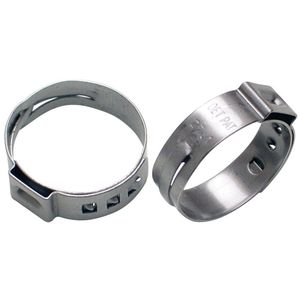
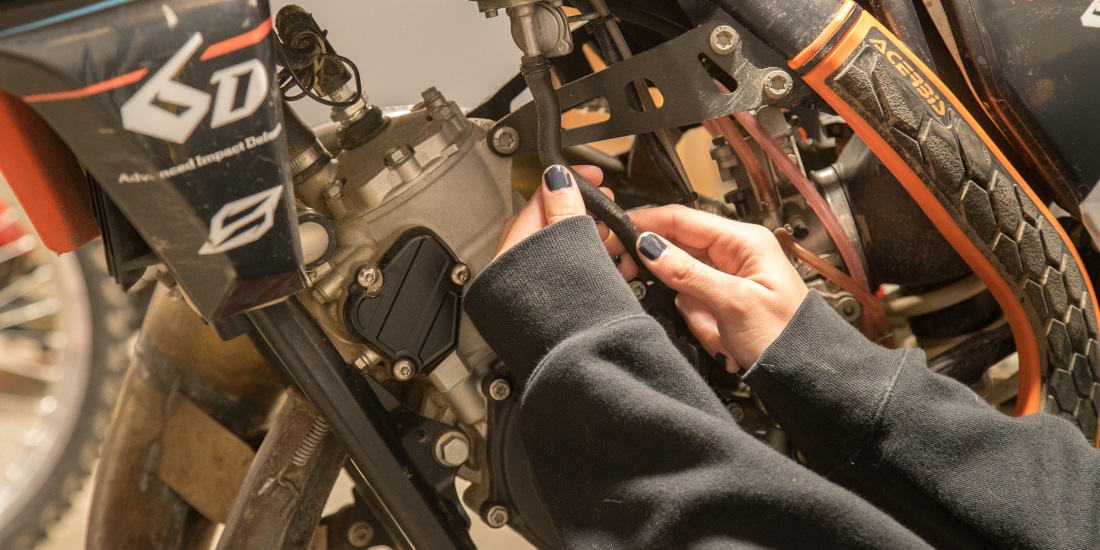
Route hoses clear of exhaust and sharp edges, secure with stainless clamps or compatible fittings, inspect regularly for stiffness or swelling from ethanol, and replace lines at the first sign of deterioration.
How do common performance upgrades affect my fuel line selection for a cruiser?
When upgrading pumps or injectors, match hose pressure and flow ratings, use compatible fittings (AN-style where applicable), and favor PTFE or clearly ethanol-rated materials for high-flow or high-heat setups.