Begin typing to search, when autocomplete results are available use up and down arrows to review and enter to select. Selecting an options will take you to a new page. Touch device users, explore by touch.SEARCH
Search within a riding style, select an optionBegin typing to search, when autocomplete results are available use up and down arrows to review and enter to select. Selecting an options will take you to a new page. Touch device users, explore by touch.
Free shipping on orders over $79 to Illinois
Orders over $79.00 will receive free shipping. This is a residential delivery service, deliveries Monday through Friday from 9:00am to 8:00pm.
What makes these carburetor tools a good choice for cruiser motorcycles?
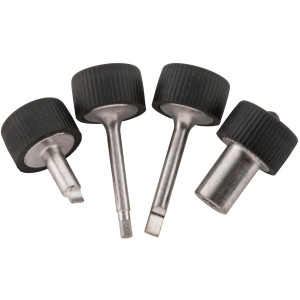
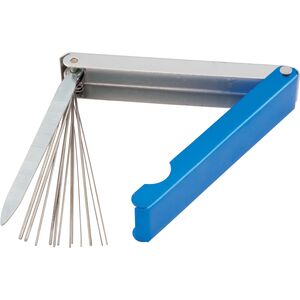
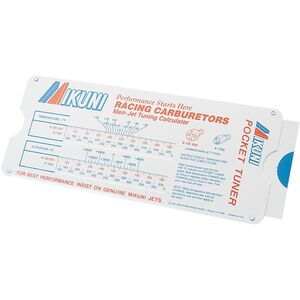
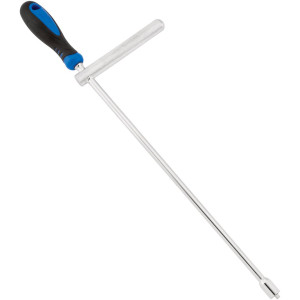
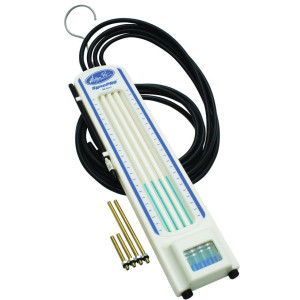
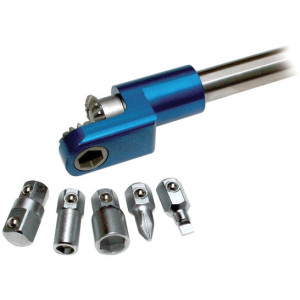
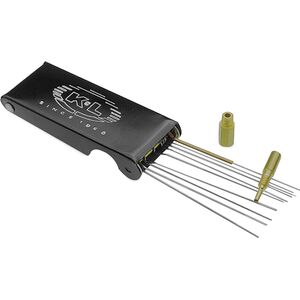
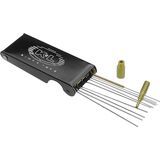
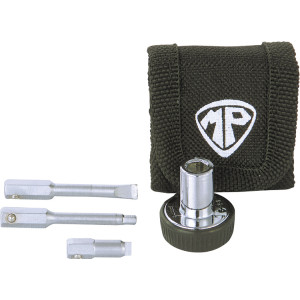
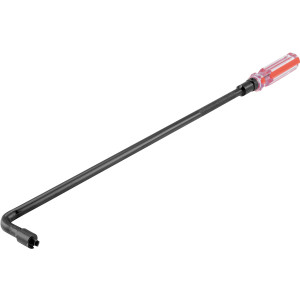
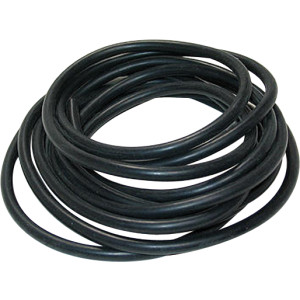
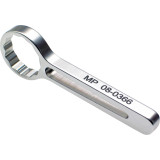
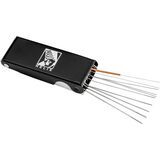
They’re purpose-built for mixture screw adjustments, synchronization, and jet handling to deliver smooth idle, strong low-end response, and balanced performance. Look for precision-ground tips, 90-degree access for recessed screws, magnetic tips, long vacuum hoses, and durable stainless or hardened materials.
Do I need a carb sync tool for my cruiser?
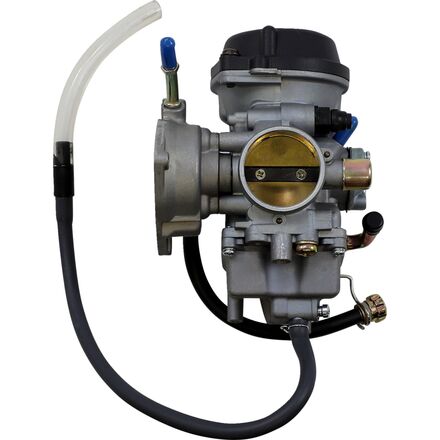
Single-carb cruisers typically just need a long, thin flat-blade screwdriver and a tachometer. Dual-carb setups benefit from adding a sync tool to balance cylinders for smoother throttle response.
What should I pick for relaxed street cruising versus mixed or high-altitude rides?
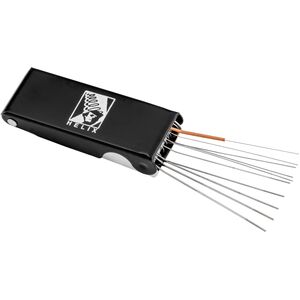
For street cruising at lower elevations, a quality mixture screwdriver plus a tachometer usually covers idle and basic tuning. If you ride mixed terrain or change altitude often, add jet tools for quick swaps and finer fueling control.
Are these tools helpful after intake or exhaust upgrades on a cruiser?
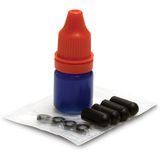
Yes—use a mixture screwdriver plus tools that support needle and jet adjustments to re-dial fueling for smooth idle and crisp low-end response. A 90-degree driver makes recessed screws accessible on tightly packaged engines.
Any setup tips to avoid damage and keep tuning consistent on cruisers?
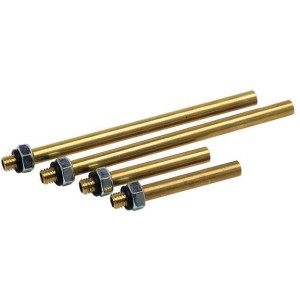
Match precision-ground tips to screw slots to prevent stripping, use magnetic tips to retain small hardware, and route vacuum lines away from heat. Level your manometer and fix dirt or vacuum leaks before chasing advanced adjustments.