Begin typing to search, when autocomplete results are available use up and down arrows to review and enter to select. Selecting an options will take you to a new page. Touch device users, explore by touch.SEARCH
Search within a riding style, select an optionBegin typing to search, when autocomplete results are available use up and down arrows to review and enter to select. Selecting an options will take you to a new page. Touch device users, explore by touch.
Free shipping on orders over $79 to Illinois
Orders over $79.00 will receive free shipping. This is a residential delivery service, deliveries Monday through Friday from 9:00am to 8:00pm.
How should I choose suspension bearings and bushings for my utility vehicle?
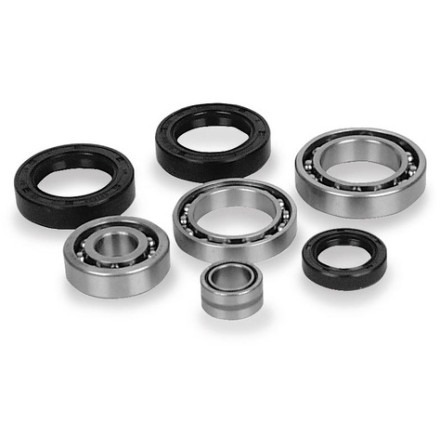
Prioritize bearing type (ball, tapered roller, needle, spherical), sealing for weather resistance, and load capacity matched to your vehicle and terrain. Always match inner/outer diameters to your parts diagram and select high-grade bearing steel for durability. Replacing as complete sets improves longevity and feel.
Which bearing types are best for a utility vehicle’s steering head, swingarm, and linkages?
Use tapered roller bearings in the steering head for stability under combined radial/axial loads. Choose needle rollers for swingarm and linkage pivots where space is tight but loads are high. Sealed deep-groove balls suit general high-speed points, while spherical rollers handle heavy loads with misalignment.
Are sealed bearings better for utility riding in mud, water, and dust?
Yes—sealed bearings with rubber shields keep out mud and water, cut maintenance, and resist corrosion, ideal for off-road utility use. Open bearings can work in dry, serviceable setups but need frequent cleaning and fresh grease. Choose seals compatible with your environment and wash routine.
What installation best practices help utility suspension bearings last?
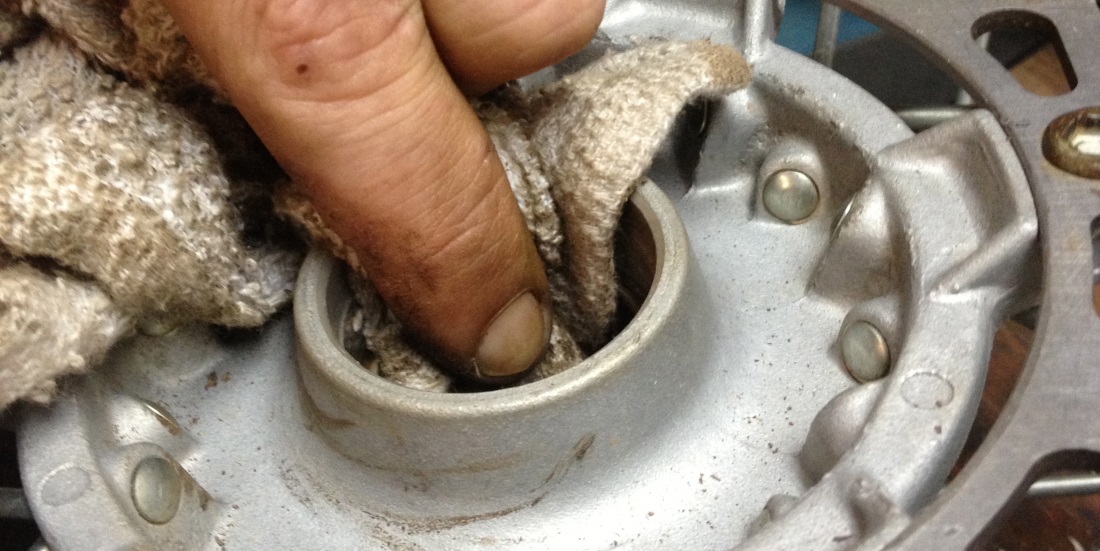
Replace bearings, races, and seals together; pack with quality grease and press them in square with proper drivers—avoid direct hammering. Clean bores, align components, and verify smooth, free movement after assembly. Recheck for play after initial rides, especially following wet or muddy work.
Do heavy loads, towing, or bigger tires change the bearings I should run?
Heavier loads, towing, or larger tires justify tapered or spherical rollers and higher load-capacity, sealed designs for stability and longevity. Confirm sizes and clearances via your parts diagram to avoid binding with lift kits or aftermarket arms. Inspect more often for play or notchiness under these conditions.