Begin typing to search, when autocomplete results are available use up and down arrows to review and enter to select. Selecting an options will take you to a new page. Touch device users, explore by touch.SEARCH
Search within a riding style, select an optionBegin typing to search, when autocomplete results are available use up and down arrows to review and enter to select. Selecting an options will take you to a new page. Touch device users, explore by touch.
Free shipping on orders over $79 to Illinois
Orders over $79.00 will receive free shipping. This is a residential delivery service, deliveries Monday through Friday from 9:00am to 8:00pm.
How should Utility riders choose a radiator for slow-speed hauling and stop-and-go work?
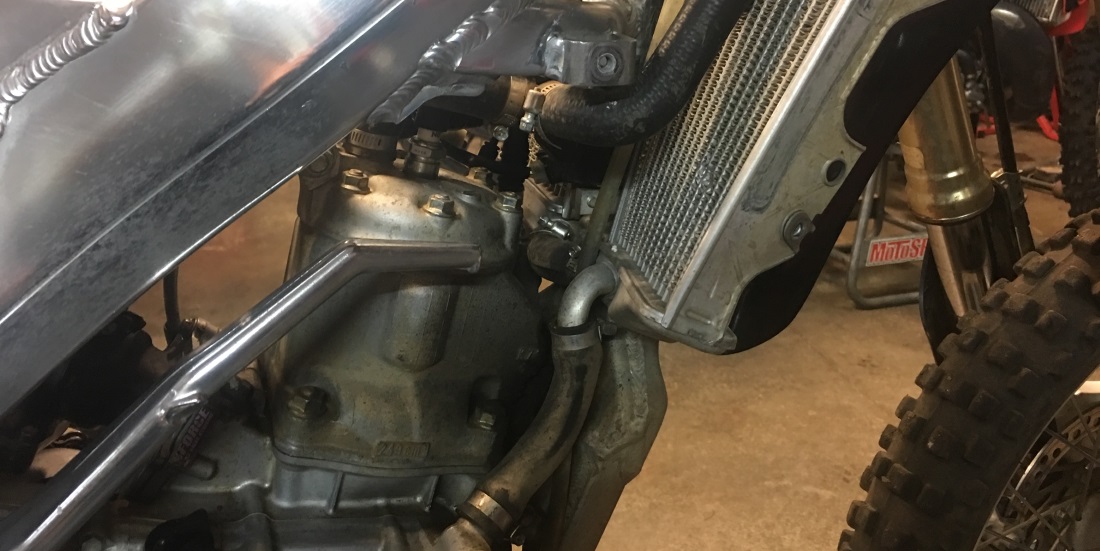
Pick an aluminum unit with strong TIG or furnace-brazed joints and a higher-capacity core; dual-pass designs shed heat better when airflow is limited. Ensure bolt-on mounts, hose connections, and fan shroud clearance align with your setup.
What fin density and protection work best for mud, brush, and farm debris?
Go with a moderate fin density to balance cooling and clog resistance, and add guards or screens that won’t choke airflow. Straighten and clean fins after wet or dusty jobs to keep temps stable.
Which radiator accessories help Utility machines in hot climates or under heavy loads?
A higher-rated pressure cap, efficient electric fan with a well-matched shroud, and an overflow/expansion tank help maintain consistent temperatures. Position bleed valves at the top of the circuit to purge air quickly.
How should Utility riders plan for corrosion, water crossings, and outdoor storage?
Choose coated aluminum cores with durable end tanks to resist electrolytic corrosion and thermal cycling. Use compatible coolant and rinse the radiator after salty, humid, or muddy conditions.
What installation and maintenance tips keep a Utility radiator performing?
Verify clearance around winches, bumpers, and snorkels, align mounts without stress, and route hoses without kinks. Inspect for bent fins or leaks, clean debris regularly, and confirm the cap and fan operate correctly.